
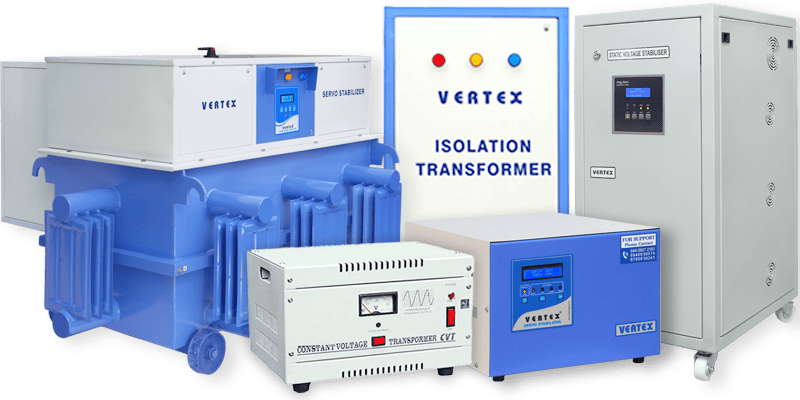


Energy efficiency has become a core performance metric for modern industries. Rising power costs, sustainability goals, and increasing reliance on electrically driven machinery have pushed manufacturers to look beyond basic consumption reduction and focus on power quality. One of the most effective yet often underestimated tools for improving industrial energy efficiency is voltage stabilization. Many industries partner with experienced stabilizer manufacturers in Chennai to ensure stable voltage delivery that supports efficient, reliable, and long-term operations.
Proper voltage control not only protects equipment but also directly influences how efficiently electrical energy is converted into productive output.

Understanding Energy Losses in Industrial Power Systems
Industrial facilities consume large amounts of electrical energy, but not all of it is used productively. Voltage fluctuations, imbalance, and instability contribute to hidden energy losses that increase operating costs.
Common sources of inefficiency include:
- Over-voltage leading to unnecessary power consumption
- Under-voltage causing higher current draw
- Frequent motor restarts due to power instability
- Heat losses from stressed electrical components
Without voltage stabilization, these losses accumulate across the entire facility.
How Voltage Stability Impacts Energy Consumption
Electrical equipment is designed to operate at a specific voltage range. When supply voltage deviates from this range, efficiency drops.
Stable voltage ensures:
- Motors operate at rated efficiency
- Transformers avoid excessive core losses
- Drives and power electronics function optimally
By maintaining voltage within acceptable limits, stabilizers help industries extract maximum usable energy from every unit consumed.
The Direct Link Between Voltage Regulation and Efficiency
Voltage regulation directly affects current flow. Under low voltage conditions, equipment draws more current to maintain output, increasing losses in cables, windings, and switchgear.
Effective stabilization:
- Reduces unnecessary current draw
- Minimizes resistive losses
- Prevents overheating
This results in measurable energy savings over time.
Role of Stabilizers in Motor Efficiency
Electric motors account for a significant portion of industrial energy usage. Voltage instability negatively affects motor performance and efficiency.
With stable voltage:
- Motors run at optimal speed and torque
- Slip losses are minimized
- Heat generation is reduced
This not only saves energy but also extends motor lifespan.
Servo Stabilizers and Energy Optimization
Servo stabilizers are widely used in industrial applications because of their ability to provide continuous and precise voltage correction. They adjust voltage smoothly rather than in steps, maintaining consistent output.
A 3 phase servo stabilizer is particularly effective in industrial environments where three-phase loads dominate. It ensures balanced voltage across all phases, reducing imbalance losses and improving overall system efficiency.
Importance of Phase Balance in Energy Efficiency
Phase imbalance is a major cause of energy loss in three-phase systems. Even small imbalances can lead to:
- Increased motor heating
- Reduced output efficiency
- Higher energy consumption
Servo stabilizers correct voltage imbalance, helping equipment operate closer to ideal conditions.
Improve industrial energy efficiency through precision voltage stabilization solutions.
Reducing Heat Losses Across Electrical Systems
Heat is one of the clearest indicators of wasted energy. Voltage instability causes excessive heat in motors, transformers, cables, and control panels.
Stabilized voltage:
- Maintains lower operating temperatures
- Reduces insulation stress
- Improves thermal efficiency
Lower heat losses translate directly into energy savings.
Impact on Power Factor and System Performance
Although stabilizers are not power factor correction devices, stable voltage supports improved power factor by allowing equipment to operate efficiently.
Benefits include:
- Reduced reactive power demand
- Improved utilization of electrical infrastructure
- Lower apparent power consumption
This contributes to better overall energy performance.
Energy Efficiency in Automated and CNC Systems
Modern industries rely heavily on automation, CNC machines, robotics, and PLC-controlled systems. These systems are highly sensitive to voltage quality.
Stable voltage ensures:
- Accurate control signals
- Consistent machine cycles
- Reduced rework and scrap
Energy efficiency improves when processes run smoothly without interruptions or errors.
Minimizing Energy Losses During Load Fluctuations
Industrial loads are rarely constant. Frequent load changes can destabilize voltage, increasing energy losses.
Stabilizers help by:
- Absorbing voltage dips during load increases
- Preventing over-voltage during load shedding
- Maintaining steady output under dynamic conditions
This stability reduces inefficiencies during peak operations.
Lower Maintenance Equals Lower Energy Waste
Poor voltage quality accelerates wear on electrical components, leading to inefficiencies even before failure occurs.
With proper stabilization:
- Equipment operates closer to design efficiency
- Degraded components are minimized
- Energy losses from faulty operation are reduced
Well-maintained systems consume less energy overall.
Supporting Sustainable Manufacturing Goals
Energy efficiency is a key pillar of industrial sustainability. Stabilizers contribute by ensuring that energy is used productively rather than wasted due to electrical stress.
Sustainability benefits include:
- Reduced carbon footprint
- Lower energy intensity per unit of output
- Improved compliance with efficiency standards
Voltage stabilization supports both economic and environmental goals.
Static Stabilizers in Industrial Applications
In applications with relatively stable loads and fast correction requirements, a static stabilizer offers efficient voltage regulation using solid-state components.
Static stabilizers contribute to energy efficiency by:
- Providing rapid voltage correction
- Eliminating mechanical losses
- Reducing response time to fluctuations
They are suitable for specific industrial scenarios where quick correction is essential.
Choosing the Right Stabilizer for Energy Efficiency
Selecting the appropriate stabilizer depends on:
- Load type and capacity
- Degree of voltage fluctuation
- Sensitivity of connected equipment
- Long-term energy efficiency goals
Correct selection ensures maximum return on investment.
Long-Term Financial Benefits of Stabilization
Although stabilizers involve initial investment, the long-term energy savings and reduced maintenance costs outweigh the upfront expense.
Financial advantages include:
- Lower electricity bills
- Extended equipment life
- Reduced downtime costs
- Improved productivity
Energy efficiency gains compound year after year.
Frequently Asked Questions (FAQs)
- Do stabilizers really improve energy efficiency?
Yes, stable voltage reduces energy losses caused by inefficiency. - Which equipment benefits most from stabilization?
Motors, drives, CNC machines, and automation systems. - Can stabilizers reduce electricity bills?
They help lower consumption by preventing excess current draw. - Are servo stabilizers energy efficient?
Yes, they provide continuous correction with minimal losses. - Does voltage imbalance affect energy usage?
Imbalance increases losses and reduces efficiency. - Are stabilizers suitable for continuous operations?
They are designed for 24/7 industrial use. - Can stabilizers support sustainability initiatives?
Yes, they reduce wasted energy and emissions. - Do stabilizers prevent overheating?
Stable voltage reduces thermal stress on equipment. - Are static stabilizers energy efficient?
They are efficient for fast-response applications.
10. Is professional system sizing important?
Correct sizing ensures optimal energy performance.