


Introduction
Electrical safety and power quality have become paramount concerns for modern businesses, hospitals, data centers, and industrial facilities across India. Among the various power protection devices available, isolation transformers stand out as essential guardians of sensitive equipment against voltage fluctuations, electrical noise, and power surges. Understanding the isolation transformer price landscape helps businesses make informed decisions when investing in power protection infrastructure.
The Indian power protection market has witnessed significant transformation, with manufacturers continuously innovating to meet diverse industry requirements. Whether you’re setting up a new facility, upgrading existing infrastructure, or replacing aging equipment, knowing what influences pricing and how to select the right isolation transformers manufacturer can save substantial costs while ensuring optimal protection.

Understanding Isolation Transformers and Their Critical Role
What Makes Isolation Transformers Different
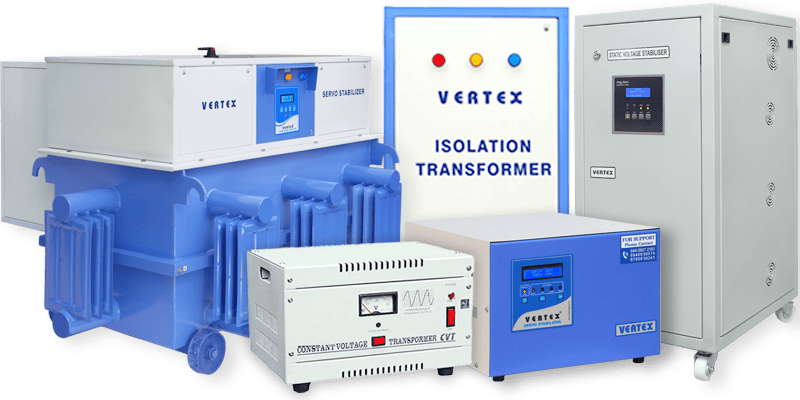
Isolation transformers are specialized electrical devices designed to transfer electrical power from a source to a load while isolating the two circuits from each other. Unlike regular transformers that simply step voltage up or down, isolation transformers provide galvanic separation between input and output circuits. This fundamental difference makes them invaluable for protecting sensitive electronic equipment from electrical disturbances.
The primary winding and secondary winding in an isolation transformer have no direct electrical connection. Power transfer occurs through electromagnetic induction, creating a barrier against common mode noise, transient voltage spikes, and ground loop problems. This isolation prevents electrical faults in one circuit from affecting the other, protecting both equipment and personnel.
When evaluating isolation transformer price options, understanding this protective mechanism helps justify the investment. Industries such as healthcare, information technology, manufacturing, and telecommunications rely heavily on these devices to maintain uninterrupted operations and safeguard expensive equipment from damage caused by power quality issues.
Applications Driving Demand
Medical facilities represent one of the largest consumer segments for isolation transformers in India. Hospitals and diagnostic centers use these devices to protect life-critical equipment like MRI machines, CT scanners, dialysis units, and patient monitoring systems. The isolation transformer price for medical-grade units tends to be higher due to stringent regulatory requirements and additional safety features.
Information technology infrastructure, including data centers, server rooms, and network operations centers, extensively deploys isolation transformers. These facilities cannot afford even microseconds of downtime or data corruption caused by power disturbances. The precision manufacturing sector, particularly in electronics assembly, semiconductor fabrication, and pharmaceutical production, similarly depends on clean, isolated power for maintaining product quality.
Testing laboratories, broadcasting stations, and industrial automation systems also benefit from the stable, isolated power these transformers provide. The expanding digital infrastructure across India, coupled with increased awareness of power quality issues, continues to drive demand and influence isolation transformer price dynamics through increased competition.
Factors That Determine Isolation Transformer Price
Power Rating and Capacity
The most significant factor affecting isolation transformer price is the power rating, typically measured in kilovolt-amperes (kVA). Residential and small office applications might require units ranging from 1 kVA to 5 kVA, while industrial installations often need transformers rated from 10 kVA to 500 kVA or higher.
Smaller capacity transformers (1-5 kVA) generally range from fifteen thousand to fifty thousand rupees, depending on specifications and manufacturer. Mid-range units (5-25 kVA) typically fall between fifty thousand and two lakh rupees. Large industrial-grade transformers (25-100 kVA) can cost anywhere from two lakhs to eight lakhs, while ultra-high capacity units exceed these figures substantially.
Understanding your actual power requirements prevents over-specification, which unnecessarily inflates costs, or under-specification, which compromises protection. Professional consultation with an experienced isolation transformers manufacturer ensures accurate sizing, optimal protection, and cost-effectiveness.
Construction Quality and Materials
The core material significantly impacts both performance and isolation transformer price. High-grade cold-rolled grain-oriented (CRGO) silicon steel offers superior magnetic properties, reducing core losses and improving efficiency. Premium manufacturers use CRGO steel cores that minimize no-load losses and generate less heat during operation.
Copper versus aluminum winding represents another critical cost factor. Copper windings provide better conductivity, lower resistance, higher efficiency, and better thermal characteristics compared to aluminum. While transformers with copper windings command higher initial prices, they deliver better long-term value through improved performance and durability.
Insulation materials and systems affect both safety ratings and pricing. Class F or Class H insulation systems withstand higher temperatures and offer greater reliability than lower-grade alternatives. Enclosure design and protection ratings also contribute to cost variations, with IP54 or IP65-rated enclosed units commanding premium prices for harsh industrial environments.
Technical Specifications and Features
Voltage regulation capability directly influences isolation transformer price. Basic isolation transformers provide galvanic separation without voltage regulation, while advanced units incorporate tap changers or voltage regulation circuits. Transformers maintaining output voltage within ±1% despite input fluctuations cost more than those with ±5% regulation.
Harmonic filtering and noise attenuation features add to manufacturing complexity and cost. Transformers designed to suppress harmonics and electromagnetic interference incorporate additional components like electrostatic shields, balanced winding techniques, and filtering circuits. These features prove essential in medical, laboratory, and precision manufacturing applications.
Digital monitoring and control capabilities represent the premium end of the market. Smart transformers equipped with microprocessor-based controls, remote monitoring, data logging, and communication interfaces command significantly higher prices but offer substantial operational advantages to large facilities.
Types of Isolation Transformers and Price Ranges
Single-Phase Isolation Transformers
Single-phase isolation transformers serve residential, small commercial, and specific equipment protection applications. These units typically handle loads from 0.5 kVA to 25 kVA. The isolation transformer price for single-phase units starts from approximately twelve thousand rupees for basic 1 kVA models and increases proportionally with capacity and features.
Compact single-phase transformers in the 1-3 kVA range suit home offices, medical clinics, small laboratories, and individual equipment protection. Mid-range single-phase transformers (3-10 kVA) accommodate small businesses and departmental equipment clusters. Higher capacity units (10-25 kVA) serve specialized equipment like large medical imaging systems and broadcasting equipment.
Three-Phase Isolation Transformers
Three-phase isolation transformers dominate industrial, commercial, and large facility applications. These units efficiently distribute power across three separate phases, providing balanced loads and higher power delivery in compact footprints. The isolation transformer price for three-phase units begins around forty thousand rupees for 5 kVA models and scales to several lakhs for industrial-grade units.
Small three-phase transformers (5-15 kVA) serve workshops, small manufacturing units, and commercial kitchens. Mid-range units (15-50 kVA) accommodate medium-sized manufacturing facilities, hospitals, and data centers. Large industrial transformers (50-200 kVA) support heavy manufacturing and process industries with advanced cooling systems and comprehensive protection features.
Medical-Grade Isolation Transformers
Medical-grade isolation transformers represent a specialized segment designed specifically for healthcare environments. These units must comply with stringent safety standards including IEC 60601-1, ensuring patient and operator safety through features like ultra-low leakage current and reinforced insulation. The isolation transformer price for medical-grade units typically runs twenty to forty percent higher than equivalent industrial models.
Operating room isolation transformers incorporate line isolation monitors that continuously check insulation resistance. Medical imaging isolation transformers protect expensive equipment while ensuring patient safety with ultra-low harmonic distortion and exceptional voltage regulation.
Price Comparison and Market Analysis
Transformer Type | Capacity Range | Typical Applications |
Single-Phase Basic | 1-5 kVA | Home offices, small clinics, individual equipment |
Single-Phase Advanced | 5-25 kVA | Medical equipment, laboratories, broadcasting |
Three-Phase Standard | 5-25 kVA | Workshops, small manufacturing, commercial |
Three-Phase Industrial | 25-100 kVA | Manufacturing facilities, large buildings |
Three-Phase Heavy Industrial | 100-500 kVA | Process industries, large data centers |
Medical-Grade | 5-50 kVA | Hospitals, diagnostic centers, surgical suites |
The isolation transformer price variations shown in this table reflect market averages across different manufacturers and specifications. Actual prices depend on specific features, brand reputation, certifications, and current market conditions. Understanding these price segments helps establish realistic budgets and prevents overpaying for unnecessary features.
Evaluating Isolation Transformer Manufacturers
Reputation and Track Record
Selecting the right isolation transformers manufacturer proves as important as choosing the correct transformer specifications. Established manufacturers with decades of experience typically deliver superior quality, reliability, and after-sales support. Research manufacturer history, customer testimonials, and industry presence before making purchasing decisions.
Manufacturing experience translates directly to product quality and reliability. Companies specializing in power protection equipment understand the nuances of transformer design, materials selection, and manufacturing processes. Customer references and case studies provide valuable insights into real-world performance and long-term satisfaction.
Manufacturing Capabilities and Quality Control
Advanced manufacturing capabilities separate premium manufacturers from budget alternatives. Modern transformer manufacturing employs precision winding machines, automated core assembly, vacuum pressure impregnation, and comprehensive testing equipment. Reputable isolation transformers manufacturer entities implement inspection at multiple production stages.
Quality control protocols during manufacturing prevent defects and ensure consistent performance. Comprehensive testing includes insulation resistance, voltage regulation, temperature rise, efficiency measurement, and load testing. Materials sourcing significantly impacts final product quality, with premium CRGO steel cores and high-grade copper windings producing superior transformers.
Technical Support and Warranty
Comprehensive technical support distinguishes exceptional manufacturers from mediocre suppliers. Pre-sales engineering assistance helps specify appropriate transformers for complex applications. Experienced application engineers can evaluate load characteristics, power quality issues, and regulatory requirements, recommending solutions precisely matched to your needs.
Warranty terms reflect manufacturer confidence in product quality. Standard warranties range from one to five years, covering manufacturing defects and component failures. After-sales service network availability significantly impacts long-term ownership experience, with widespread service networks providing faster response and easier access to spare parts.
Smart Buying Strategies for Best Value
Accurate Load Assessment
The foundation of smart purchasing lies in accurate load assessment. Over-specifying transformer capacity wastes money, while under-specification leads to overloading and potential failures. Begin by cataloging all equipment the transformer will protect, noting rated power consumption and operational characteristics.
Account for equipment starting currents, particularly for motors and inductive loads. Future expansion plans should influence capacity selection, with a growth allowance of twenty to thirty percent accommodating reasonable expansion. Consultation with an experienced isolation transformers manufacturer ensures proper sizing accounting for environmental challenges.
Total Cost of Ownership Analysis
Smart buyers evaluate total cost of ownership rather than fixating on initial purchase price. An isolation transformer operates continuously for ten to thirty years, consuming electricity throughout its service life. Efficiency differences significantly impact operational costs over time.
Calculate lifetime energy costs by determining losses and multiplying by operational hours and electricity rates. Premium transformers with superior construction require less frequent maintenance and experience fewer failures. Factor in warranty coverage, service costs, and potential downtime when comparing isolation transformer price across manufacturers.
Negotiation and Value-Added Services
Effective negotiation can reduce costs by ten to twenty percent without compromising quality. Obtain quotes from multiple reputable manufacturers and negotiate for additional value through extended warranties, free installation support, or enhanced technical support.
Volume purchasing provides leverage for better pricing. Installation supervision, commissioning support, and staff training extend transformer life and prevent premature failures. While these services don’t directly affect isolation transformer price, they contribute substantially to ownership experience and operational success.
Conclusion
Investing in isolation transformers represents a critical decision for protecting valuable equipment and ensuring operational continuity. Understanding the factors that influence isolation transformer price empowers buyers to make informed decisions balancing cost, quality, and performance.
The Indian market offers diverse options across all capacity ranges and application requirements. From compact single-phase units for small offices to massive three-phase industrial transformers, buyers can find solutions matching their specific needs. Working with reputable isolation transformers manufacturer entities ensures access to quality products, technical expertise, and reliable support.
FAQ
1: What is the average isolation transformer price for a small business?
For small businesses requiring 3-10 kVA capacity, expect to invest between thirty thousand to one lakh rupees depending on specifications. Single-phase units cost less than three-phase models. Consult with an isolation transformers manufacturer for accurate quotes based on your specific requirements.
2: How do I determine the right capacity isolation transformer for my needs?
Calculate total connected load, add twenty to thirty percent for safety margin, and account for equipment starting currents. Professional load assessment from experienced isolation transformers manufacturer experts ensures accurate sizing without over-specification.
3: Are medical-grade isolation transformers worth the extra cost?
For healthcare applications, medical-grade transformers are mandatory, not optional. They meet stringent safety standards protecting patients and operators. The premium isolation transformer price for medical units reflects essential safety features and certifications required in healthcare environments.
4: What affects the isolation transformer price most significantly?
Power rating (kVA capacity) represents the primary price determinant, followed by construction quality, technical features, certifications, and manufacturer reputation. Understanding these factors helps optimize value when comparing isolation transformer price across options.
5: How long do isolation transformers typically last?
Quality isolation transformers properly maintained operate reliably for fifteen to thirty years. Premium units from reputable isolation transformers manufacturer entities often exceed these lifespans with appropriate maintenance and favorable operating conditions.
6: Can isolation transformers help reduce electricity bills?
While isolation transformers primarily provide protection, high-efficiency models minimize energy losses. Premium units with ninety-eight percent efficiency consume less electricity than lower-efficiency alternatives, offsetting higher initial isolation transformer price through reduced operational costs.
7: What warranty should I expect on an isolation transformer?
Standard warranties range from one to five years depending on manufacturer and model. Premium products often include extended warranties. Verify warranty coverage details, response times, and service procedures when evaluating isolation transformers manufacturer options.
8: Are imported isolation transformers better than Indian-made units?
Quality Indian manufacturers now produce transformers matching international standards at competitive prices. Domestic products offer advantages in service accessibility, spare parts availability, and lower isolation transformer price compared to imported alternatives.
9: Do isolation transformers require special installation?
Professional installation following manufacturer guidelines and electrical codes ensures optimal performance and safety. Proper grounding, adequate ventilation, and correct connections prove critical. Many isolation transformers manufacturer providers offer installation support or supervision.
10: Can I add isolation transformer capacity later if my needs grow?
Transformers cannot be upgraded in capacity; growing needs require installing additional or larger units. Planning for reasonable future expansion (twenty to thirty percent margin) when initially sizing prevents premature replacement while avoiding excessive over-capacity that reduces efficiency and inflates initial isolation transformer price.