
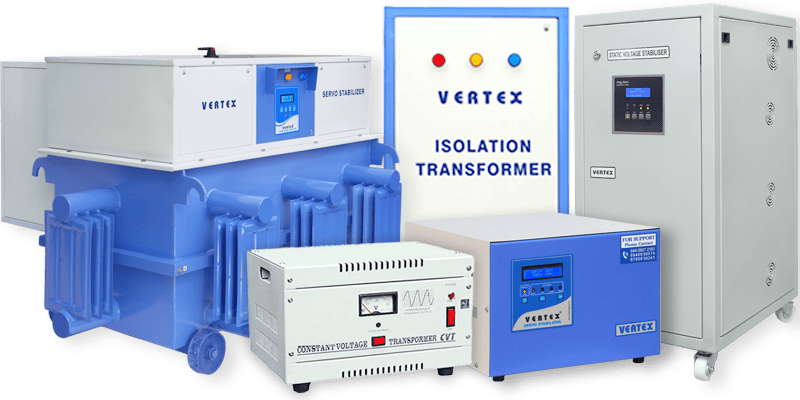


If your lights flicker every time the refrigerator kicks on, or your air conditioner hums and stutters during a voltage dip, the culprit is rarely the appliance itself; it’s unstable incoming power. A main line stabilizer fixes that problem at the source, regulating voltage for your entire home or office before it ever reaches your devices. Before you spend money on one, though, it pays to understand exactly how it works, what size you need, and how it differs from the smaller stabilizers sold for single appliances. This guide walks through all of that in plain language, so you can buy with confidence instead of guesswork.

Why Voltage Fluctuation Is More Common Than You Think
Most people assume power problems only happen during storms or outages, but voltage instability is a daily reality in many regions. Overloaded transformers, long-distance transmission losses, seasonal demand spikes (think everyone running an AC in summer), and aging local infrastructure all cause the voltage reaching your home to swing above or below the standard range. A main line stabilizer is designed specifically to absorb these swings, delivering a steady, safe voltage to every socket in the building, not just one room or one machine.
Without this protection, sensitive electronics like televisions, refrigerators, washing machines, and computers experience slow, invisible wear. A motor that runs on low voltage draws more current to compensate, generating excess heat and shortening its lifespan. Over months and years, this quietly shaves years off the life of expensive appliances, which is exactly why a whole-house solution is often smarter than protecting devices individually.
How a Main Line Stabilizer Actually Works
At its core, a main line stabilizer sits between your electricity meter and your internal wiring, monitoring incoming voltage continuously. When the supply drops or spikes outside the safe operating window, the unit’s internal relay or servo mechanism adjusts the output almost instantly, correcting it back to the standard range, typically around 220–240V for most residential systems, though this varies by country. Because it’s installed at the main distribution point rather than near individual appliances, every circuit in the building benefits simultaneously.
There are two dominant technologies used in these units: relay-based stabilizers, which switch between transformer taps to correct voltage, and servo-controlled stabilizers, which use a motor-driven mechanism for smoother, more precise correction. Servo types tend to cost more upfront but offer finer regulation and longer service life, making them a popular choice for homes with a heavy mix of sensitive electronics.
Signs Your Home or Office Actually Needs One
Not every property needs a main line stabilizer, but certain warning signs make the case obvious. If you notice appliances underperforming, motors running noisier than usual, bulbs dimming and brightening unpredictably, or if you live in an area with known grid instability, it’s worth taking seriously. Offices running multiple computers, servers, or medical equipment are especially vulnerable, since even brief voltage irregularities can corrupt data or damage sensitive circuit boards.
A quick real-world example: a small clinic running diagnostic equipment on unstable local supply once dealt with recurring equipment resets during peak afternoon hours, when nearby factories drew heavy current from the same grid. Installing a properly rated main line stabilizer at the clinic’s main panel eliminated the resets because the equipment never saw the fluctuation in the first place. This is the practical value a whole-building unit provides that appliance-level protection simply cannot.
Choosing the Right Capacity for Your Property
Sizing is where most buyers go wrong. A main line stabilizer is rated in kVA (kilovolt-amperes), and choosing one that’s undersized means it will struggle under load, overheat, or shut down during peak usage, while an oversized unit wastes money without adding meaningful benefit. The right approach is to calculate the combined wattage of everything likely to run simultaneously, add a buffer of roughly 20–25% for future appliances or peak loads, and convert that figure to kVA using your system’s power factor.
For a typical mid-sized home with air conditioning, refrigeration, and standard electronics, a 5–10 kVA unit is common. Larger homes or small offices with heavier machinery may need 15 kVA or more. It’s always worth consulting an electrician or the manufacturer’s load calculator rather than estimating, since undersizing is the single most common and most costly mistake buyers make.
Main Line Stabilizer: Everything You Need to Know Before Buying
Main Line Stabilizer vs Individual Appliance Stabilizer
| Feature | Main Line Stabilizer | Individual Appliance Stabilizer |
| Coverage | Entire building, all circuits | One appliance only |
| Upfront Cost | Higher | Lower per unit |
| Long-term Value | Better, protects everything at once | Costs add up across multiple devices |
| Installation | Professional, at main panel | Plug-and-play, no wiring needed |
| Maintenance | Single unit to service | Multiple units to monitor |
| Best For | Homes, offices, buildings with mixed electronics | Single high-value appliance in a low-risk area |
Installation and Maintenance Tips Worth Knowing
A main line stabilizer should always be installed by a licensed electrician, positioned close to the main distribution board with adequate ventilation, since heat buildup reduces efficiency and lifespan. Avoid placing it in damp, enclosed, or poorly ventilated areas moisture and dust are the two leading causes of premature failure in these units.
Routine maintenance is minimal but not optional. Check for unusual humming, warm-to-the-touch casing, or visible display errors every few months, and have the internal components inspected annually if you’re in a region with frequent extreme fluctuations. Most quality units come with a 2–5 year warranty, and registering it promptly ensures you’re covered if a manufacturing defect surfaces early.
Making the Final Buying Decision
When you’re finally ready to buy, prioritize three things: correct kVA sizing based on an honest load calculation, the type of regulation technology (servo for precision, relay for budget-conscious buying), and a warranty backed by a manufacturer with accessible local service support. A main line stabilizer is a long-term investment in the health of every appliance in your home or office, and cutting corners on any of these three factors tends to show up as regret within the first year of use.
Conclusion
A stable power supply isn’t a luxury it’s the foundation that keeps every appliance, gadget, and system in your home or office running the way it’s supposed to. A main line stabilizer solves voltage problems at the source, protecting your entire property in one installation rather than patching the issue device by device. By understanding how it works, correctly sizing it to your load, and choosing a reliable installer, you set yourself up for years of trouble-free power and noticeably longer-lasting appliances.
FAQ
- What is the main purpose of a main line stabilizer?
It regulates incoming voltage for an entire property, protecting all connected appliances from fluctuations, spikes, and dips in one central installation. - How is a main line stabilizer different from a UPS?
A stabilizer corrects voltage but doesn’t store power, while a UPS provides backup power during outages. Many properties use both for complete protection. - What size stabilizer do I need for a 3-bedroom house?
Most 3-bedroom homes with standard appliances and air conditioning require a 5–10 kVA unit, though an electrician should confirm based on actual load. - Can a main line stabilizer reduce my electricity bill?
It won’t directly lower bills, but by preventing appliances from drawing extra current during low voltage, it improves efficiency and reduces long-term repair costs. - Is servo stabilizer better than relay type?
Servo stabilizers offer smoother, more precise correction and longer lifespan, making them better for homes with sensitive electronics, though they cost more upfront. - Where should a main line stabilizer be installed?
It should be installed near the main distribution panel, in a dry, well-ventilated space away from moisture and direct sunlight. - How long does a main line stabilizer last? With proper installation and maintenance, a quality unit typically lasts 8–12 years, though this varies by usage and regional voltage severity.
- Do I still need individual stabilizers if I have a main line stabilizer?
Generally no a properly sized whole-building unit eliminates the need for separate appliance-level stabilizers in most residential and small office settings.