
Modern industries operate in an environment where power quality directly affects productivity, safety, and equipment lifespan. With increasing automation, digital controls, and sensitive machinery, voltage stability is no longer a secondary consideration—it is a core operational requirement. Choosing the right voltage regulation solution begins with understanding how different stabilizer technologies perform in real industrial conditions. Many decision-makers start by consulting an experienced servo stabilizer manufacturer to evaluate whether servo-based systems or conventional stabilizers better align with their operational needs.
As industrial power demands evolve, the gap between traditional stabilizers and servo stabilizers becomes more apparent.
The Changing Power Needs of Modern Industries
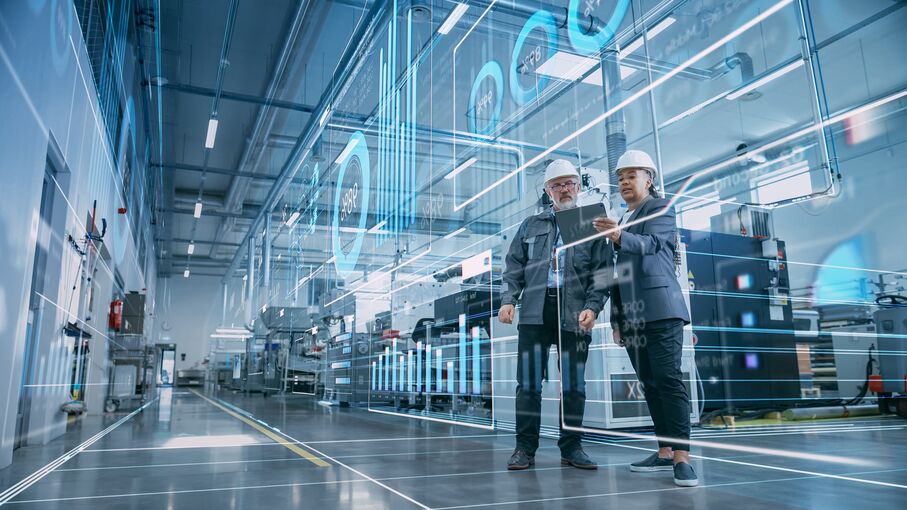
Industrial power consumption today is vastly different from what it was a decade ago. CNC machines, PLC-controlled systems, variable frequency drives, and automation equipment demand precise voltage levels at all times.
Key trends influencing power quality needs include:
- Increased use of sensitive electronics
- Continuous production cycles
- Higher power density per facility
- Reduced tolerance for downtime
These factors have made voltage regulation a strategic investment rather than a reactive measure.
Understanding Conventional Stabilizers
Conventional stabilizers, often relay-based or tap-switch controlled, have been widely used in industrial and commercial settings for many years. They operate by switching between fixed voltage taps to correct input fluctuations.
Typical characteristics include:
- Step-based voltage correction
- Slower response times
- Audible switching during operation
- Limited accuracy under rapid load changes
While suitable for basic applications, they face limitations in modern industrial environments.
How Servo Stabilizers Differ in Design
Servo stabilizers use a motor-driven mechanism combined with an auto transformer to provide continuous and precise voltage correction. Instead of switching between steps, they adjust voltage smoothly across a wide range.
Core design advantages:
- Continuous voltage regulation
- High output accuracy
- Smooth response to load changes
- Better handling of large fluctuations
This design makes servo stabilizers particularly suited for modern industrial loads.
Voltage Accuracy and Output Stability
One of the most critical differences between the two technologies is voltage accuracy. Conventional stabilizers typically offer output accuracy within a broader tolerance range.
Servo stabilizers, by contrast:
- Maintain tighter voltage control
- Reduce harmonic stress on equipment
- Ensure consistent operating conditions
This higher accuracy directly benefits sensitive and high-value machinery.
Response Time Under Dynamic Loads
Industrial loads are rarely static. Motors start and stop, machines cycle, and production demands fluctuate throughout the day.
Conventional stabilizers:
- React after voltage deviates beyond set thresholds
- May lag during sudden load changes
Servo stabilizers:
- Continuously track voltage changes
- Respond smoothly without abrupt switching
This makes servo stabilizers more reliable in dynamic environments.
Reduce electrical stress on industrial equipment with servo-based stabilizer systems.
Load Handling Capabilities
As industrial facilities scale, load capacity becomes a decisive factor. Conventional stabilizers are often limited in their ability to handle large or rapidly varying loads.
Servo stabilizers excel in:
- High-capacity installations
- Heavy motor-driven applications
- Multi-machine industrial setups
This scalability is essential for growing industries.
Impact on Equipment Lifespan
Repeated voltage stress shortens the lifespan of motors, transformers, and electronic components. Conventional stabilizers, with their step-based correction, can expose equipment to micro-fluctuations.
Servo stabilizers provide:
- Reduced electrical stress
- Lower heat generation
- Consistent power delivery
Over time, this leads to longer equipment life and fewer failures.
Energy Efficiency Considerations
Energy efficiency is a growing concern for industries aiming to reduce operating costs and meet sustainability goals.
Servo stabilizers contribute to efficiency by:
- Preventing excess current draw
- Reducing power losses
- Optimizing equipment performance
Conventional stabilizers offer limited efficiency gains by comparison.
Maintenance and Operational Reliability
Maintenance requirements differ significantly between stabilizer types.
Conventional stabilizers:
- Experience wear from frequent switching
- Require regular inspection of relays and contacts
Servo stabilizers:
- Have fewer mechanical switching components
- Offer predictable performance with periodic servicing
This results in higher long-term reliability for servo systems.
Noise and Operational Smoothness
In modern industrial environments, noise reduction and smooth operation are increasingly valued, especially in automated plants.
Servo stabilizers operate quietly due to:
- Absence of frequent relay switching
- Continuous voltage adjustment
This contributes to a more stable and controlled working environment.
Role of Regional Manufacturing Expertise
Selecting the right stabilizer solution also depends on manufacturer expertise and application knowledge. Working with trusted servo stabilizer manufacturers in Chennai ensures that stabilizers are engineered for local grid conditions, industrial standards, and application-specific demands.
Regional expertise supports:
- Accurate system sizing
- Faster service support
- Long-term reliability
This partnership approach enhances system performance.
Integration With Modern Power Systems
Modern industrial power systems often include transformers, UPS systems, and backup generators. Servo stabilizers integrate seamlessly into these setups.
Their compatibility allows:
- Centralized voltage regulation
- Improved system coordination
- Enhanced overall power quality
This integration capability supports complex industrial infrastructures.
Cost vs Value Perspective
While conventional stabilizers may appear cost-effective initially, long-term operational costs often tell a different story.
Servo stabilizers deliver value through:
- Reduced downtime
- Lower maintenance expenses
- Extended equipment lifespan
- Improved energy efficiency
For modern industries, total cost of ownership matters more than upfront price.
Choosing the Right Stabilizer for Industrial Applications
The choice between servo and conventional stabilizers depends on:
- Load sensitivity
- Capacity requirements
- Operational continuity needs
- Future expansion plans
Industries with critical processes increasingly prefer servo-based solutions.
Availability and Supply Considerations
Reliable supply and technical support are essential for industrial power equipment. Partnering with established servo voltage stabilizer suppliers ensures timely delivery, proper installation, and ongoing service support.
This reliability strengthens long-term power management strategies.
Reduce electrical stress on industrial equipment with servo-based stabilizer systems.
(FAQs)
- Are servo stabilizers suitable for all industries?
They are ideal for industries with sensitive or high-capacity loads. - Do conventional stabilizers still have applications?
They suit basic, low-variation voltage environments. - Which stabilizer offers better voltage accuracy?
Servo stabilizers provide tighter voltage control. - Are servo stabilizers energy efficient?
Yes, they reduce losses caused by voltage instability. - Do servo stabilizers handle sudden load changes well?
They respond smoothly to dynamic load conditions. - Is maintenance complex for servo stabilizers?
Routine maintenance is straightforward and predictable. - Can servo stabilizers support future expansion?
They are scalable for increased load demands. - Do stabilizers reduce equipment failures?
Stable voltage significantly lowers failure risks. - Are servo stabilizers noisy?
They operate quietly compared to relay-based systems.
10. Is professional manufacturer support important?
Yes, correct design and support ensure long-term performance.