

High load industrial systems depend on stable and clean electrical power to operate efficiently. Manufacturing plants, heavy engineering units, data centers, and process industries often experience fluctuating voltage, harmonics, and transient disturbances due to heavy machinery and variable loads. To address these challenges, businesses increasingly rely on advanced power conditioning systems designed by an experienced servo stabilizer manufacturer to ensure uninterrupted performance and long-term equipment protection.
Effective power conditioning goes beyond basic voltage correction—it creates a controlled electrical environment that supports productivity, safety, and asset longevity.
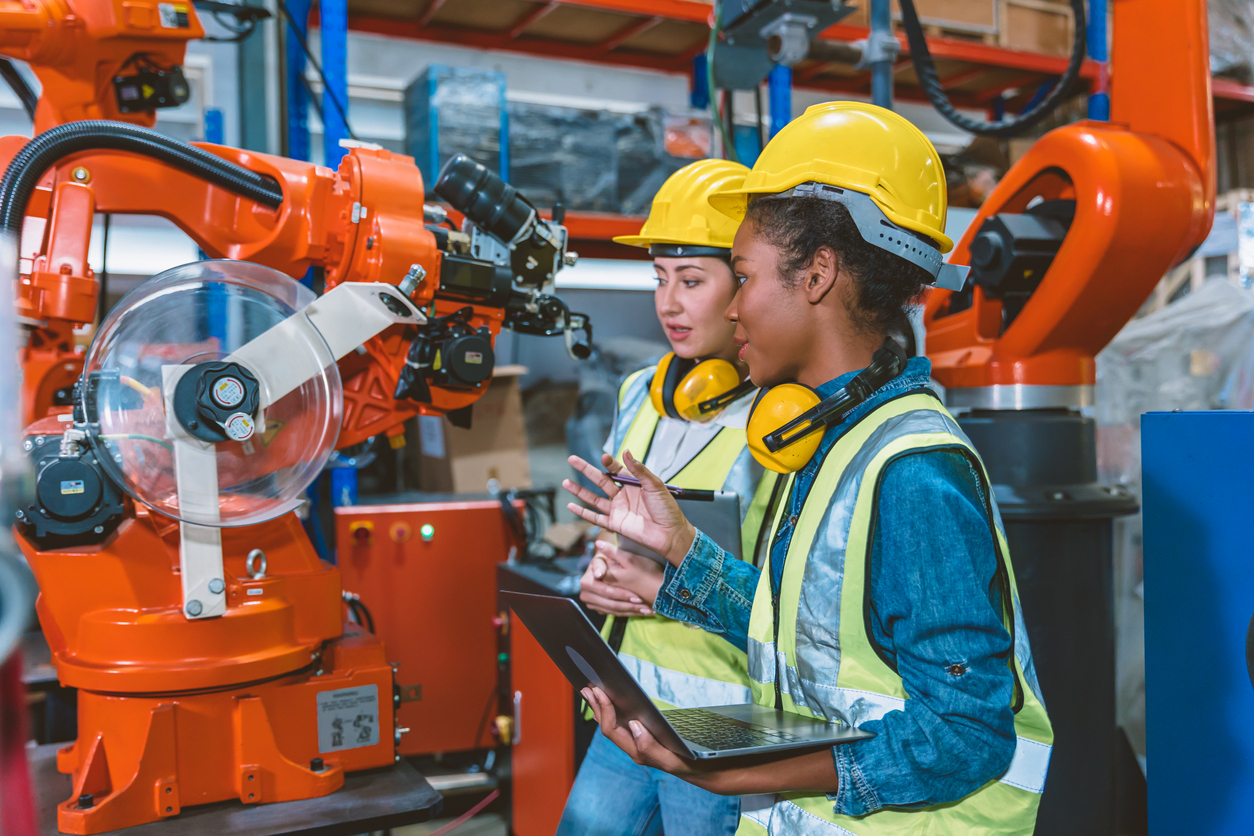
Understanding High Load Industrial Power Challenges
High load industrial systems place significant stress on electrical networks. Large motors, compressors, furnaces, and automated machinery draw fluctuating current, causing voltage dips and surges that can impact connected equipment.
Common challenges include:
- Sudden load changes during motor startups
- Voltage drops during peak demand
- Electrical noise from heavy machinery
- Harmonics generated by non-linear loads
Without proper conditioning, these issues can lead to reduced efficiency and premature equipment failure.
The Role of Power Conditioning in Industrial Operations
Power conditioning refers to the process of regulating voltage, filtering disturbances, and maintaining power quality within acceptable limits. For high load environments, conditioning systems act as a protective buffer between the utility supply and sensitive industrial equipment.
Key objectives of power conditioning include:
- Stabilizing voltage levels
- Minimizing electrical disturbances
- Improving power factor
- Protecting equipment from stress
This ensures consistent operational performance even under demanding conditions.
Why Voltage Stability Is Critical for Heavy Loads
High load systems amplify the effects of voltage instability. Even small deviations can cause motors to overheat, drives to malfunction, and control systems to behave unpredictably.
Stable voltage helps:
- Maintain rated motor torque
- Reduce excessive current draw
- Prevent overheating of windings
- Improve overall system efficiency
Voltage stability is the foundation of reliable industrial power.
Servo Stabilizers as Core Conditioning Components
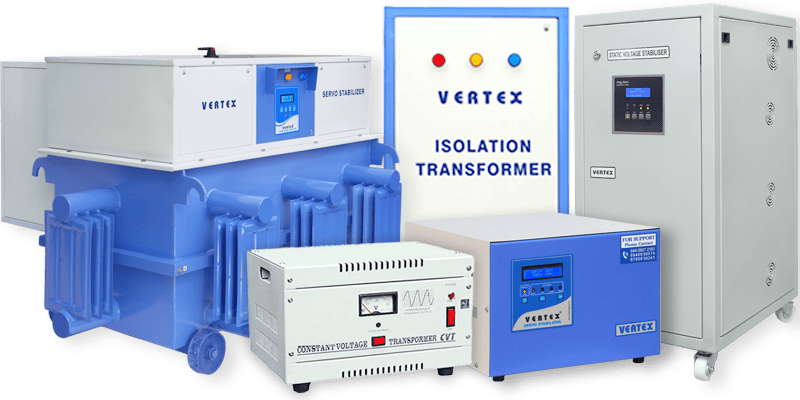
Servo stabilizers play a central role in industrial power conditioning. Unlike conventional stabilizers, they provide continuous voltage correction using motor-driven mechanisms that respond smoothly to fluctuations.
Advantages include:
- High output voltage accuracy
- Fast response to load variations
- Smooth correction without switching shocks
- Compatibility with high-capacity loads
These features make servo stabilizers ideal for demanding industrial environments.
Managing Dynamic Load Variations
Industrial loads rarely remain constant. Production cycles, machine startups, and process changes introduce rapid load fluctuations that strain the power supply.
Power conditioning systems help by:
- Absorbing sudden voltage dips
- Preventing over-voltage during load shedding
- Maintaining consistent output under variable conditions
This stability protects both equipment and processes.
Protection Against Electrical Disturbances
High load systems often generate electrical disturbances that can travel through the power network. These disturbances affect not only the originating machine but also other connected equipment.
Effective conditioning:
- Filters electrical noise
- Reduces transient spikes
- Minimizes harmonic distortion
This improves overall power quality across the facility.
Strengthen industrial power reliability with advanced conditioning solutions built for heavy loads.
Impact on Equipment Lifespan
Unconditioned power accelerates wear and tear on industrial equipment. Voltage fluctuations increase thermal stress, weaken insulation, and degrade electronic components over time.
With proper conditioning:
- Operating temperatures remain stable
- Electrical stress is minimized
- Component aging slows significantly
As a result, equipment lasts longer and performs more reliably.
Improving Energy Efficiency in High Load Systems
Energy efficiency is closely tied to power quality. Equipment operating under unstable voltage conditions consumes more energy and operates less efficiently.
Power conditioning supports efficiency by:
- Preventing excess current draw
- Reducing power losses
- Maintaining optimal operating conditions
This leads to measurable energy savings over time.
Reducing Downtime and Maintenance Costs
Unexpected equipment failures disrupt production and increase maintenance expenses. Many of these failures stem from poor power quality rather than mechanical defects.
Conditioned power results in:
- Fewer breakdowns
- Predictable maintenance schedules
- Reduced spare parts usage
This improves operational continuity and cost control.
Integration With Industrial Power Infrastructure
Power conditioning solutions are most effective when integrated with the broader electrical infrastructure, including transformers, generators, and UPS systems.
Well-integrated systems:
- Distribute stable voltage uniformly
- Reduce stress on upstream components
- Enhance overall system resilience
This holistic approach strengthens industrial power reliability.
Importance of Proven Manufacturing Expertise
Choosing reliable servo stabilizer manufacturers in India ensures that power conditioning systems are engineered to handle local grid conditions, industrial standards, and heavy load requirements.
Experienced manufacturers provide:
- Accurate system sizing
- Application-specific designs
- Long-term technical support
This expertise is essential for sustained performance.
Supporting Continuous Industrial Production
High load industries often operate continuously, leaving little room for electrical disturbances. Power conditioning ensures uninterrupted operations by maintaining stable voltage even during peak demand.
This reliability:
- Protects production schedules
- Maintains consistent product quality
- Supports automation and control systems
Stable power becomes a strategic asset rather than a reactive fix.
Main Line Stabilization for Large Facilities
Large industrial plants benefit from centralized voltage regulation through main line stabilizers. These systems regulate voltage at the incoming supply level, protecting the entire facility.
A servo voltage main line stabilizer ensures:
- Uniform voltage distribution
- Protection for multiple loads
- Reduced need for individual stabilizers
This approach is efficient for high-capacity installations.
Long-Term Financial Advantages
While power conditioning systems require initial investment, the long-term benefits far outweigh the cost.
Financial advantages include:
- Extended equipment life
- Lower repair and replacement expenses
- Reduced energy consumption
- Improved productivity
Over time, these savings significantly enhance return on investment.
Designing the Right Power Conditioning Strategy
An effective power conditioning strategy considers:
- Load capacity and variation
- Sensitivity of connected equipment
- Expansion plans
- Operational continuity requirements
Tailored solutions ensure optimal performance and scalability.
FAQ
- Are power conditioning systems necessary for high load industries?
Yes, they protect equipment and ensure reliable operation. - Do servo stabilizers handle rapid load changes?
They respond smoothly to dynamic load variations. - Can power conditioning reduce equipment failures?
Yes, stable voltage minimizes electrical stress. - Are main line stabilizers suitable for large plants?
They are ideal for centralized voltage regulation. - Does power conditioning improve energy efficiency?
Stable voltage reduces power losses and excess current. - How does power quality affect automation systems?
Automation requires consistent voltage for accuracy. - Is maintenance required for servo stabilizers?
Routine periodic maintenance ensures long-term reliability. - Can power conditioning support future expansion?
Systems can be designed for scalable capacity. - Do power disturbances affect all equipment equally?
Sensitive electronics are most vulnerable.
10. Is professional system design important?
Correct sizing and integration are critical for performance.