

Introduction
Your refrigerator hums, your AC clicks off mid-cycle, and somewhere in the wiring, your voltage stabilizer just quietly saved a compressor from frying. That’s the job stabilizers do invisibly, until they don’t. And when you’re shopping for one, the very first fork in the road is this: do you go with an oil-cooled stabilizer or an air-cooled stabilizer? It’s not a trivial choice. This guide breaks down both technologies in plain language, compares them side by side, and helps you figure out which one actually fits your home, shop, or industrial setup not just which one sounds more “premium.”

How Voltage Stabilizers Actually Cool Themselves
Every stabilizer generates heat while regulating voltage; that’s simply physics at work inside the transformer and control circuitry. The difference between an oil-cooled stabilizer and an air-cooled stabilizer comes down to one thing. An air-cooled stabilizer relies on natural or fan-assisted airflow moving across its internal components. It’s the same principle as a laptop cooling fan, just scaled up. There’s no liquid involved just metal, coils, and moving air doing the work.
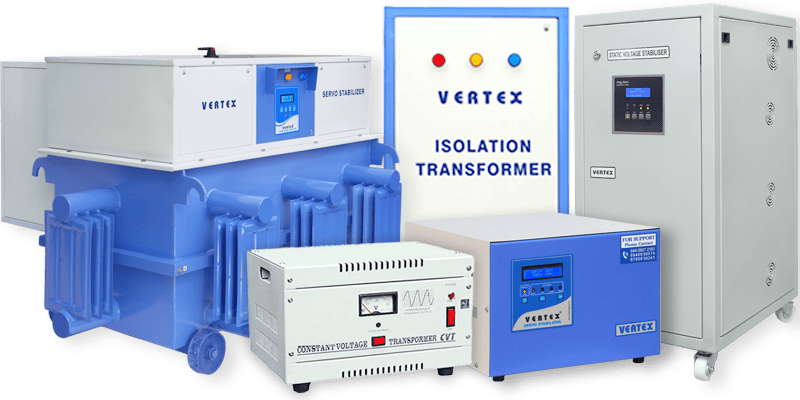
An oil-cooled stabilizer, on the other hand, submerges its transformer windings in insulating mineral oil. The oil absorbs heat from the coils and dissipates it far more efficiently than air ever could, while also acting as an electrical insulator that protects internal components from arcing and moisture. This is essentially the same cooling philosophy used in large power transformers you see outside substations, just miniaturized for home or industrial use.
Why Heat Management Is the Real Deciding Factor
People often get distracted by price tags and brand names, but the core question should be: how well does this unit manage heat under stress? Heat is the single biggest killer of electronic components, and voltage stabilizers, especially ones handling frequent, sharp fluctuations, generate a surprising amount of it.
An oil-cooled stabilizer handles sustained heavy loads far better because oil has a much higher heat capacity than air. Think of it like the difference between cooling a hot pan with a fan versus dunking it in water; the liquid wins every time. This is exactly why oil-cooled units dominate in industrial settings: factories, workshops, and commercial establishments where machinery pulls heavy current for hours without a break.
Air-cooled stabilizers, meanwhile, are perfectly capable of handling lighter, intermittent loads think home appliances, small offices, or single air conditioners where the unit isn’t under constant thermal stress.
Oil-Cooled Stabilizer vs Air-Cooled Stabilizer
Oil-Cooled Stabilizer vs Air-Cooled Stabilizer: A Side-by-Side Comparison
| Feature | Oil-Cooled Stabilizer | Air-Cooled Stabilizer |
| Cooling Medium | Mineral oil surrounding transformer | Natural or fan-driven air |
| Best Suited For | Industrial, commercial, heavy-load use | Homes, offices, light commercial use |
| Load Handling | Handles sustained heavy loads efficiently | Better for intermittent, lighter loads |
| Lifespan | Generally longer with proper maintenance | Moderate, depends on usage intensity |
| Maintenance | Requires periodic oil checks/top-ups | Minimal, mostly dust cleaning |
| Noise Level | Very low, almost silent | Slight hum, especially with fans |
| Size & Weight | Bulkier and heavier | Compact and lightweight |
| Initial Cost | Higher upfront investment | More budget-friendly |
| Fire Safety Consideration | Requires proper ventilation; oil is combustible | No flammable liquid involved |
Real-World Scenarios: Where Each Type Actually Shines
Picture a small textile unit running three-phase motors for ten hours a day. That kind of continuous industrial load, with its unpredictable voltage sags and surges, is exactly the environment where an oil-cooled stabilizer proves its worth. The oil doesn’t just cool it insulates and dampens electrical stress, which translates into fewer breakdowns and a longer operational life for the connected machinery.
Now picture a two-bedroom apartment with a refrigerator, a washing machine, and an air conditioner. The voltage fluctuations here are real but not constant, and the load isn’t demanding round-the-clock cooling capacity. An air-cooled stabilizer handles this comfortably, takes up less space, costs less, and doesn’t require the periodic oil-level checks that an oil-cooled unit does.
Maintenance, Longevity, and the Hidden Costs Nobody Talks About
Here’s something salespeople rarely mention upfront: an oil-cooled stabilizer isn’t a “install and forget” appliance. The oil needs periodic inspection for moisture contamination, and in some cases, filtration or replacement after several years of service. Skipping this maintenance can actually shorten the unit’s lifespan rather than extend it, which defeats the purpose of choosing oil cooling in the first place. That said, when properly maintained, an oil-cooled stabilizer typically outlasts its air-cooled counterpart under heavy-duty conditions the initial maintenance effort pays off in extended equipment life, especially for businesses where downtime translates directly into lost revenue.
Noise, Space, and Installation: The Practical Everyday Factors
Beyond the technical specs, day-to-day livability matters. Oil-cooled units run almost silently since there’s no fan whirring away a genuine advantage if the stabilizer sits near a bedroom or a quiet workspace. But that silence comes with a size trade-off: these units are heavier and bulkier, needing a dedicated, well-ventilated spot, partly because mineral oil is combustible and proper airflow around the unit is a safety necessity, not a nicety. Air-cooled stabilizers are the more apartment-friendly option: smaller footprint, easier to mount or tuck into a utility corner, and simpler installation overall. If your fan is running, you’ll hear a faint hum, but for most households, it’s background noise at worst.
Making the Right Call for Your Situation
If you’re running heavy machinery, managing a factory floor, or operating equipment that simply cannot afford voltage-related downtime, the extra investment and maintenance commitment of an oil-cooled stabilizer is almost always worth it. The superior heat dissipation and insulation properties translate directly into equipment protection and fewer service calls.
If you’re stabilizing power for a home, a small office, or light commercial equipment, an air-cooled stabilizer gives you excellent protection without the added bulk, noise, or maintenance routine. It’s simpler, cheaper, and entirely sufficient for that use case.
Neither option is universally “better”; the right choice depends entirely on your load, environment, and how much long-term maintenance you’re willing to take on.
Conclusion
Choosing between an oil-cooled stabilizer and an air-cooled one isn’t about chasing the fancier-sounding technology; it’s about matching the cooling mechanism to your actual power demands. Industrial and heavy-load environments benefit hugely from oil cooling’s superior heat handling and durability, while homes and lighter setups do perfectly well with the compact simplicity of air cooling. Look honestly at your load profile, your space constraints, and your appetite for maintenance, and the right stabilizer becomes an easy, confident decision.
FAQ
- Is an oil-cooled stabilizer better than an air-cooled stabilizer?
Not universally it’s better for heavy, continuous industrial loads, while air-cooled units are better suited for homes and lighter commercial use. - How long does an oil-cooled stabilizer typically last?
With proper maintenance, including periodic oil checks, these units often last longer than air-cooled models, especially under heavy-duty industrial conditions. - Do oil-cooled stabilizers require regular maintenance? Yes, the insulating oil needs periodic inspection for contamination and occasionally needs topping up or filtering to maintain performance.
- Are air-cooled stabilizers noisier than oil-cooled ones? Generally yes; if they use fans, oil-cooled units run nearly silently since they don’t rely on moving air for cooling.
- Which type is more cost-effective for a home?
Air-cooled stabilizers are usually more budget-friendly and sufficient for typical home appliance loads. - Can an oil-cooled stabilizer be used at home? It can, but it’s often overkill for residential loads and comes with added size, weight, and maintenance requirements not typically necessary at home.
- Is oil in a stabilizer a fire hazard?
Mineral oil used in these units is combustible, so proper ventilation and installation practices are essential for safe operation. - What factors should I consider before choosing between the two?
Consider your load type (continuous vs. intermittent), available installation space, willingness to maintain, and budget before deciding.