
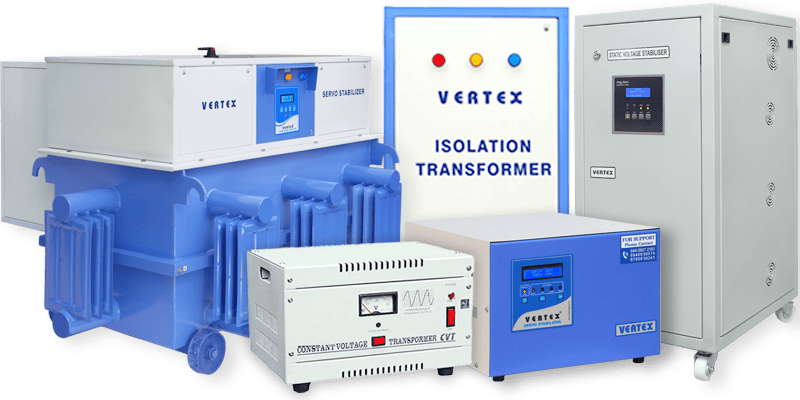


At Vertex Power Solution, we understand that heavy-duty industrial infrastructure depends on a reliable, steady stream of power. Your oil-cooled stabilizer works quietly in the background, correcting voltage fluctuations so that critical motors, transformers, and sensitive machinery do not get fried by a sudden spike or starved by a dip. However, that constant regulation puts intense stress on internal components. Windings heat up, insulating oil breaks down over time, and internal contacts wear down from repeated switching.
Skipping regular inspections does more than risk a sudden breakdown—it gambles with expensive downstream equipment, production timelines, and heavy repair bills that could easily be avoided with simple routines, regular oil checks, and proactive attention. This comprehensive guide walks you through everything facility managers and maintenance teams need to check, when to check it, and why it matters to your bottom line
Why Routine Checks Matter More Than You Think
Most industrial facilities only think about their power conditioning equipment when something goes catastrophically wrong. This reactive approach is precisely what shortens equipment life. Unlike air-cooled units, an oil-cooled stabilizer relies heavily on specialized transformer oil to dissipate heat and insulate internal windings. When that oil degrades due to moisture ingress, oxidation, or particulate contamination, its dielectric strength plummets. Suddenly, your facility faces insulation breakdown, internal arcing, or a full winding failure.
Industry reliability metrics show that nearly 60% of stabilizer failures trace back to neglected oil quality rather than manufacturing defects. That statistic alone highlights where maintenance teams must focus their energy. Preventive maintenance is not just about checking boxes on a clipboard; it is about catching minor issues—such as oil moisture creeping above acceptable limits—long before they transform into expensive replacements.
The Ultimate Oil Cooled Stabilizer Maintenance Schedule
To maximize performance, safety, and equipment lifespan, maintain a structured timeline divided into daily, monthly, quarterly, and annual intervals.
1. Daily Visual Inspection: The Five-Minute Habit
Building a quick daily walk-around into your operations routine catches early warning signs before they escalate:
- Monitor Oil Level Gauges: Confirm that the oil level sits squarely within the marked operational range. Visually low oil signals a potential leak in the tank body, pipe fittings, or gasket seals.
- Observe Operating Temperatures: Check the temperature indicator regularly. If the unit consistently runs hotter than the manufacturer’s rated threshold, investigate the cooling load immediately.
- Listen for Anomalies: A healthy oil-cooled stabilizer operates with a steady, low-frequency hum. Erratic grinding, sharp clicking sounds from the tap-changer, or intermittent silence followed by loud mechanical snaps point to emerging electrical or mechanical faults.
2. Monthly Oil Testing and Quality Checks
Oil is never a “set-it-and-forget-it” asset. At minimum, test your transformer oil monthly or quarterly for critical parameters:
- Breakdown Voltage (BDV): A BDV reading dropping below 30 kV signals severe contamination requiring filtration or complete oil replacement.
- Visual Color Assessment: Fresh transformer oil should appear clear and pale yellow. Dark brown or cloudy oil indicates heavy oxidation or moisture contamination, which drastically accelerates winding degradation.
- Environmental Adjustments: Facilities operating in humid coastal regions or areas prone to heavy seasonal rainfall must test oil more frequently, as ambient moisture infiltrates oil-filled enclosures faster than in dry, climate-controlled environments.
3. Tap-Changer and Contact Maintenance
The tap-changer serves as the mechanical heart of your voltage regulator, physically shifting connections thousands of times to correct voltage in real time.
- Inspect Contacts: Every 3 to 6 months, inspect internal contacts for pitting, discoloration, or carbon buildup—hallmarks of electrical arcing.
- Clean Safely: Clean carbon deposits using specialized contact cleaners rather than abrasive tools that scratch metallic contact surfaces.
- Verify Mechanical Movement: Ensure the drive mechanism moves smoothly without hesitation. A tap-changer that hunts erratically between positions often needs mechanical adjustment or contact replacement.
4. Cooling System and Radiator Maintenance
Efficient heat dissipation keeps your stabilizer operating within safe thermal envelopes.
- Clean Radiator Fins: Dust, industrial grime, and outdoor debris can block vital airflow. Wipe down or pressure-wash radiator fins monthly in dusty industrial zones.
- Check Cooling Fans: If your unit utilizes forced-air cooling fans, confirm they spin freely without bearing wobble, electrical hum, or physical obstruction.
- Inspect for Seepage: Check gasket joints near radiators for slow oil weeping, which compromises both cooling efficiency and electrical insulation over time.
Oil-Cooled Stabilizer Maintenance Checklist for Maximum Industrial Performance
Oil-Cooled vs. Air-Cooled Stabilizers: Quick Comparison
| Feature | Oil-Cooled Stabilizer | Air-Cooled Stabilizer |
| Cooling Mechanism | Transformer oil circulation | Natural or forced air movement |
| Maintenance Need | Higher (regular oil and BDV testing) | Lower (primarily dust removal) |
| Load Capacity | Superior for heavy industrial plants | Best suited for light commercial loads |
| Typical Lifespan | 15 to 20 years with proper care | 8 to 12 years |
| Floor Space | Requires dedicated space & oil handling | Compact and easy to mount |
| Fire Risk | Slightly higher (combustible oil medium) | Lower |
Annual Deep Inspection and Documentation
Once a year, schedule a comprehensive shutdown inspection with certified professionals. This major service should include:
- Insulation Resistance (Megger) Testing: Verifies the structural integrity of internal coil insulation against ground faults.
- Earthing Continuity Checks: Ensures that all metallic frames are safely bonded to ground to protect personnel.
- Comprehensive Overhaul: A complete mechanical and electrical review of the tap-changer and control circuitry.
- Detailed Record Keeping: Maintain a dedicated logbook for every stabilizer unit. Recording test results, oil replacement dates, and temperature trends establishes a historical baseline, making future troubleshooting and warranty claims seamless.
FAQ
- How often should I change the oil in an oil-cooled stabilizer? Generally, test oil quality every three to six months and plan for a complete oil replacement every two to three years, depending on operational load intensity and ambient humidity.
- What causes an oil-cooled stabilizer to overheat? Overheating typically stems from degraded dielectric oil, blocked radiator fins, persistent overloads exceeding rated capacity, or a failing internal cooling fan.
- Can I perform stabilizer maintenance myself? In-house teams can easily handle daily visual walkthroughs and surface cleaning. However, oil BDV testing, megger testing, and internal tap-changer repairs should always be handled by certified electrical technicians.
- How long does an oil-cooled stabilizer typically last? When supported by a rigorous preventive maintenance schedule, these robust industrial units commonly deliver 15 to 20 years of reliable service.
- What are the key signs of oil contamination? Warning signs include dark or cloudy oil color, low BDV test results, unusual burnt odors near the tank, and a steady climb in normal operating temperatures.
- Is an oil-cooled stabilizer safe for indoor plant installation? Yes, provided the installation area has adequate ventilation, proper fire safety suppression, and secondary containment provisions in compliance with local electrical codes.
- How do I know if the tap-changer requires replacement? Erratic voltage correction, visible arcing burn marks, grinding mechanical noises, or heavily pitted contact points are definitive indicators that the tap-changer needs immediate professional servicing.
- Does ambient climate affect maintenance intervals? Yes. Facilities situated in hot, humid, or heavily particulate-laden industrial environments require much tighter maintenance intervals compared to units housed in clean, climate-controlled rooms.