


Introduction
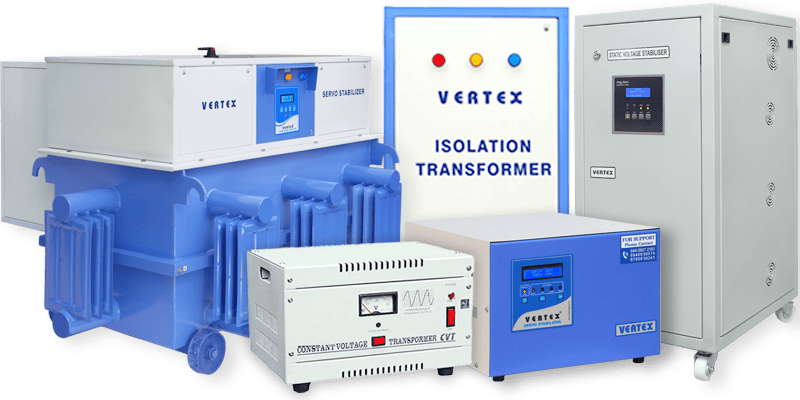
Walk into any factory running high-capacity machinery—such as steel rolling mills, textile plants, or chemical processing units—and you will notice a common thread: unstable voltage is the silent enemy that erodes productivity. If you have ever watched a CNC machine throw errors during a voltage sag or heard a plant transformer hum louder than usual under grid fluctuations, you already understand why an oil-cooled stabilizer from a trusted manufacturer like Vertex Power Solution is essential survival equipment rather than an optional luxury.
Why Heavy Industrial Loads Demand Oil-Cooled Technology
Air-cooled stabilizers handle offices and light commercial setups well. However, once your load crosses into heavy-duty territory (100 kVA and beyond), heat dissipation becomes a major engineering bottleneck. Continuous operations, high inrush currents, and volatile grid supplies generate substantial internal heat.
This is where oil immersion cooling by Vertex Power Solution excels. Mineral-grade transformer oil acts as both an electrical insulator and a superior heat-transfer medium, pulling heat away from core windings far more efficiently than air. For factories running triple shifts, this translates into years of uninterrupted performance instead of premature equipment burnout.
Evaluating Your Operational Load Profile
Before requesting supplier quotes, collaborate with your electrical engineer to map out your facility’s real-world load profile. Consider these vital technical aspects:
- Demand Nature: Determine whether your load is a steady draw or characterized by unpredictable spikes, typical of induction furnaces or large motor start-ups.
- Inductive vs. Resistive Loads: Heavy inductive loads (motors, pumps, compressors) require higher momentary overload capacities than purely resistive loads (heating banks).
- Future-Proof Margins: Avoid sizing your stabilizer based solely on average consumption. Build in a 15% to 25% safety margin over peak demand to accommodate future capacity expansions seamlessly.
What to Look for in an Industrial Manufacturer
Distinguishing a reliable supplier from standard vendors requires looking past the initial price tag. Industry leaders emphasize transparent build quality through several parameters:
- Core Materials & Windings: Verify transformer core specifications and ensure high-grade copper windings are standard.
- Servo Motor Reliability: Inquire about the servo motor mechanism responsible for real-time voltage correction, as inferior motors are a primary cause of field failures.
- Testing Standards: Look for brands that offer rigorous pre-dispatch on-site load testing alongside standard factory certification.
Key Technical Parameters That Matter
- Voltage Correction Range: For erratic industrial grids, a wider input window (such as 310V–480V for a standard 415V system) provides essential operational headroom.
- Response Time & Speed: Fast correction speeds prevent visible lighting flicker and protect delicate instrumentation from stress.
- Efficiency Ratings: High-performance units maintain an efficiency of 98% or higher, significantly reducing long-term power losses and electricity expenses.
- Safety Specs: Review the cooling oil’s flash point and dielectric strength to ensure robust fire safety compliance.
Right Oil-Cooled Stabilizer for Heavy Industrial Loads
Oil-Cooled vs. Air-Cooled Stabilizers At a Glance
| Parameter | Oil-Cooled Stabilizer | Air-Cooled Stabilizer |
| Ideal Load Range | 100 kVA and above (Heavy Industrial) | Up to 100 kVA (Light/Commercial) |
| Cooling Medium | Transformer-grade oil circulation | Natural or forced air ventilation |
| Heat Dissipation | Excellent for continuous, heavy-duty cycles | Moderate, suited for intermittent use |
| Maintenance | Periodic oil testing and dielectric checks | Dust cleaning and minor servicing |
| Expected Lifespan | 15 to 20 years | 8 to 12 years |
| Best Suited For | Steel, textile, cement, and chemical plants | Offices, retail shops, and small workshops |
Prioritizing After-Sales Support and Maintenance
An industrial purchase is merely the start of a long-term operational relationship. Because heavy-duty units demand periodic oil checks, contact cleaning, and component upkeep, your chosen partner must offer dependable service networks. Ensure your supplier guarantees rapid breakdown response times and long-term spare parts availability to safeguard your production lines.
Final Thoughts
Selecting the right industrial stabilizer requires looking beyond the lowest upfront quote. By carefully auditing your facility’s load profile, analyzing core technical specifications, and partnering with an established industry expert like Vertex Power Solution, you ensure lasting operational stability, minimal downtime, and maximum protection for your heavy machinery.