
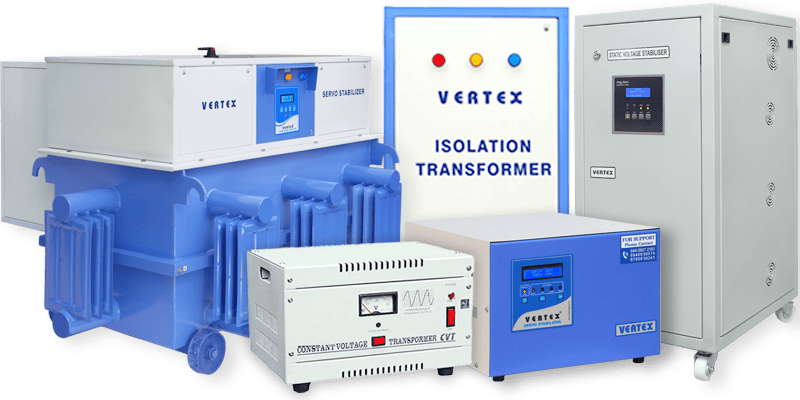


A commercial UPS system is more than just backup equipment—it is the foundation of business continuity. Whether you operate a corporate office, hospital, retail chain, educational institution, financial organization, or data center, power interruptions can lead to lost productivity, damaged equipment, disrupted customer service, and unexpected financial losses. While many businesses carefully compare UPS specifications, they often overlook one critical factor: selecting the right UPS manufacturer. A quality UPS can only deliver long-term performance when it is backed by engineering expertise, reliable components, professional installation, and dependable after-sales support.

Looking Beyond the Price Tag: Why Value Matters More Than Cost
For many procurement teams, the lowest quotation often becomes the deciding factor. While staying within budget is important, selecting a UPS solely because it is the least expensive option can create far greater expenses later. Lower-priced systems may use lower-grade components, offer limited technical support, or lack readily available spare parts. These compromises can result in frequent service calls, higher maintenance costs, and unexpected downtime.
Imagine a commercial shopping mall that chooses a low-cost UPS without evaluating long-term reliability. Within two years, recurring battery failures and delayed service responses begin affecting elevators, security systems, and emergency lighting. What initially appeared to be a cost-saving decision eventually becomes a costly operational challenge. A reputable UPS manufacturer provides value through durable engineering, dependable service, and products designed for continuous commercial operation—not simply the lowest purchase price.
Ignoring Industry-Specific Power Requirements
Not every commercial facility has the same electrical demands. Choosing a generic UPS without considering your industry’s operating environment is one of the most common purchasing mistakes.
For example:
- Hospitals require uninterrupted power for diagnostic equipment, operating theatres, and patient monitoring systems.
- Banks and financial institutions need reliable power for servers, ATMs, and transaction processing.
- Retail stores depend on uninterrupted billing systems, surveillance cameras, and payment terminals.
- Educational institutions require continuous operation of laboratories, networking equipment, and digital classrooms.
An experienced ups manufacturer understands these differences and recommends systems that match actual operational requirements instead of offering a one-size-fits-all solution. Before purchasing, clearly define your critical loads, expected runtime, future expansion plans, and environmental conditions.
Overlooking Service Support and Response Time
Even the most advanced UPS systems require periodic maintenance. Batteries age, electrical components wear over time, and preventive servicing is essential for maintaining reliability. Many businesses evaluate product specifications but never ask important questions about after-sales support.
Consider the following:
- Does the company have trained service engineers?
- Are emergency support services available?
- How quickly can technicians respond during a power-related emergency?
- Are genuine spare parts stocked locally?
- Is preventive maintenance included?
For example, a corporate office experiencing UPS failure during business hours cannot afford to wait several days for technical assistance. Choosing an established ups manufacturer with a strong service network significantly reduces operational risks throughout the equipment’s lifecycle.
Selecting the Wrong UPS Capacity
Sizing errors remain one of the leading causes of UPS performance issues.
Some businesses purchase systems based only on their current electrical load, leaving little room for expansion. Others intentionally oversize the UPS, assuming larger capacity always provides better protection.
Neither approach is ideal.
An undersized UPS may overload during peak demand, while an oversized system can operate inefficiently, increasing both installation and operating costs.
A professional ups manufacturer performs a detailed load analysis that considers:
- Connected equipment
- Startup currents
- Power factor
- Future growth
- Battery runtime requirements
- Redundancy objectives
Accurate sizing ensures optimal efficiency, longer equipment life, and better return on investment.
Difference Between Choosing Based on Price and Choosing Based on Value
| Selection Criteria | Lowest-Cost Supplier | Professional ups manufacturer |
| Initial Investment | Lower | Competitive, value-driven |
| Product Quality | May vary | Consistent and tested |
| Engineering Support | Limited | Comprehensive consultation |
| Installation Guidance | Minimal | Professional implementation |
| Spare Parts Availability | Often delayed | Readily available |
| Preventive Maintenance | Usually optional | Structured service programs |
| Long-Term Reliability | Uncertain | High |
| Total Cost of Ownership | Often higher | Lower over equipment life |
Common Mistakes to Avoid When Choosing a UPS Manufacturer
Neglecting Future Business Expansion
Commercial organizations rarely remain the same size for many years. Additional workstations, new production equipment, expanded office space, or upgraded IT infrastructure all increase electrical demand. A forward-thinking UPS manufacturer recommends scalable solutions that accommodate expansion without requiring complete system replacement.
Not Asking About Monitoring and Smart Features
Commercial UPS technology has evolved significantly in recent years. Today’s systems often include intelligent monitoring capabilities that improve maintenance and operational visibility.
Useful features include:
- Remote monitoring dashboards
- Battery health diagnostics
- Automatic fault notifications
- Event logging
- Energy consumption reports
- Network integration
- Predictive maintenance alerts
A modern ups manufacturer should be able to explain how these technologies improve uptime and simplify facility management.
Build a Long-Term Partnership, Not Just a Purchase
Selecting a UPS is not a one-time transaction. Commercial facilities depend on continuous technical support throughout the system’s operational life.
The right supplier acts as a long-term partner by offering:
- Professional site surveys
- Customized system recommendations
- Proper installation and commissioning
- Preventive maintenance programs
- Operator training
- Technical documentation
- Fast emergency support
- Genuine spare parts
Businesses that establish relationships with an experienced ups manufacturer typically experience greater equipment reliability, reduced downtime, and lower maintenance costs over many years.
Conclusion
Choosing a UPS for commercial applications involves much more than comparing specifications or selecting the lowest quotation. The quality of the ups manufacturer, the availability of technical support, accurate system sizing, future scalability, product certifications, battery management, and ongoing maintenance all contribute to long-term performance.
FAQ
1. Why is choosing the right ups manufacturer important?
A reliable ups manufacturer provides high-quality products, expert system design, dependable after-sales service, genuine spare parts, and long-term technical support, ensuring consistent power protection for commercial operations.
2. Should I select a UPS based only on price?
No. While budget is important, evaluating product quality, service availability, warranty, scalability, and lifecycle costs provides better long-term value than choosing the lowest-priced option.
3. How do I determine the correct UPS capacity?
Calculate your current electrical load, consider startup currents, include future expansion plans, and consult an experienced ups manufacturer for a professional load assessment.
4. What certifications should I look for in a UPS system?
Look for compliance with recognized electrical safety, quality, and manufacturing standards, along with documented testing procedures and warranty support.
5. How often should a commercial UPS be maintained?
Routine inspections should typically be performed every three to six months, while comprehensive preventive maintenance is recommended annually, depending on operating conditions.
6. Why is after-sales service important when selecting a ups manufacturer?
Prompt technical support, preventive maintenance, and quick access to genuine spare parts minimize downtime and help maintain reliable UPS performance throughout its service life.
7. Can a UPS system be expanded as my business grows?
Yes. Many modern commercial UPS systems are designed with scalable architecture, allowing additional capacity to be added as business requirements increase.
8. What industries benefit most from commercial UPS systems?
Commercial UPS solutions are widely used in hospitals, corporate offices, retail chains, banks, educational institutions, manufacturing facilities, hotels, telecom infrastructure, and data centers where uninterrupted power is essential for continuous operations.