


Introduction
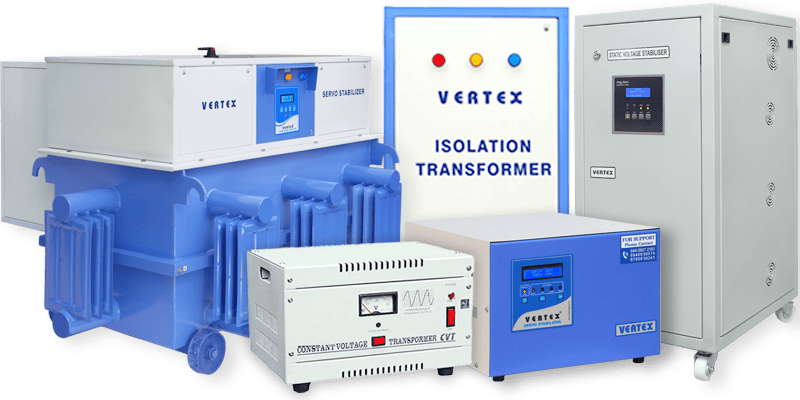
This is where a lift stabilizer becomes an essential part of the electrical system. While installing a quality stabilizer protects the elevator from voltage-related issues, regular maintenance ensures it continues delivering reliable performance year after year. A preventive maintenance routine helps detect minor issues before they become expensive failures. It also extends equipment life, minimizes downtime, improves passenger safety, and reduces long-term operating costs. This maintenance checklist explains exactly what facility managers, maintenance contractors, and building owners should inspect to keep their lift stabilizer operating at peak efficiency.
Why Preventive Maintenance Matters More Than Emergency Repairs
Many building owners only think about electrical equipment after a failure occurs. However, elevators operate every day, often completing hundreds or even thousands of trips. Any interruption affects residents, employees, visitors, and business operations.
Routine inspection of your lift stabilizer provides several advantages:
- Prevents unexpected elevator shutdowns
- Protects sensitive elevator electronics
- Reduces repair expenses
- Improves voltage regulation accuracy
- Increases equipment lifespan
- Maintains smooth elevator operation
- Enhances passenger safety
A Complete Maintenance Checklist for Your Lift Stabilizer
Instead of waiting for warning signs, establish a scheduled inspection program. The following checklist covers the most important maintenance activities.
Inspect the Input and Output Voltage
Voltage readings provide the quickest indication of stabilizer health.
During inspection:
- Measure incoming voltage.
- Measure regulated output voltage.
- Confirm output remains within the recommended operating range.
- Compare readings with previous maintenance records.
If the output voltage begins fluctuating more than normal, internal components may require servicing.
Consistent voltage regulation ensures elevators start, stop, and travel smoothly without stressing electrical equipment.
Examine Cooling Components Carefully
Every lift stabilizer generates heat while operating. Excessive temperature shortens the life of transformers, servo motors, relays, and electronic control circuits.
Maintenance technicians should inspect:
- Cooling fans
- Air filters
- Ventilation openings
- Heat sinks
- Internal airflow
Dust accumulation blocks airflow and increases operating temperatures.
In oil-cooled stabilizers, technicians should also inspect oil levels and check for leakage.
Proper cooling directly improves reliability and extends service life.
Tighten Electrical Connections
Loose electrical terminals are among the most common causes of stabilizer failures.
Over time, vibration, thermal expansion, and continuous electrical load can loosen cable connections.
Maintenance should include checking:
- Input terminals
- Output terminals
- Earthing connections
- Transformer terminals
- Control wiring
Clean Internal Components
Industrial environments often expose equipment to dust, moisture, and airborne contaminants.
Inside a lift stabilizer, dust accumulation can:
- Reduce cooling efficiency
- Increase operating temperature
- Cause insulation problems
- Affect electronic boards
- Reduce equipment life
Cleaning should always be performed after disconnecting power and following manufacturer safety procedures.
Test Servo Motor Operation
Servo-controlled stabilizers depend on the servo motor to adjust voltage accurately.
Maintenance should verify:
- Smooth motor movement
- Proper carbon brush condition
- Stable voltage correction
- No unusual vibration
- No abnormal noise
A sluggish servo motor reduces voltage regulation accuracy and may increase stress on elevator equipment.
Verify Protection Functions
Modern stabilizers include multiple protection features designed to protect expensive elevator systems.
Routine testing should confirm proper operation of:
- Over-voltage protection
- Under-voltage protection
- Overload protection
- Short-circuit protection
- Delay timer
- Phase protection (for three-phase systems)
Protection circuits should respond correctly under test conditions.
Lift Stabilizer Maintenance Checklist for Reliable Elevator Performance
Best Maintenance Schedule for Long-Term Reliability
Maintenance frequency depends on operating conditions and elevator usage.
A practical schedule includes:
- Daily: Visual inspection for alarms, overheating, and abnormal noise.
- Monthly: Check voltage readings, cooling fans, and external cleanliness.
- Quarterly: Tighten electrical connections, inspect servo motor operation, and test protection circuits.
- Annually: Perform a comprehensive inspection, calibration, insulation testing, and replacement of worn components if required.
Choosing the Right Service Partner
Even the highest-quality lift stabilizer requires professional servicing throughout its operational life.
When selecting a maintenance provider, consider:
- Experience with elevator electrical systems
- Availability of genuine spare parts
- Qualified service engineers
- Preventive maintenance programs
- Emergency support availability
- Knowledge of servo voltage regulation technology
Conclusion
Reliable elevator performance begins with reliable power quality. A properly maintained lift stabilizer protects critical elevator electronics from voltage fluctuations, extends equipment life, improves passenger safety, and minimizes operational interruptions. Following a structured maintenance checklist allows facility managers and building owners to identify developing issues early, reduce maintenance costs, and ensure uninterrupted elevator operation. Rather than waiting for failures, adopting a preventive maintenance strategy keeps elevators running efficiently while maximizing the return on investment in electrical infrastructure.
FAQ
1. Why is a lift stabilizer important for elevators?
A lift stabilizer maintains a steady voltage supply, protecting elevator motors, controllers, and electronic components from voltage fluctuations that can cause breakdowns.
2. How often should a lift stabilizer be serviced?
Most installations benefit from quarterly inspections and a comprehensive annual service, although high-usage buildings may require more frequent maintenance.
3. What happens if a lift stabilizer is not maintained?
Neglected maintenance can lead to unstable voltage regulation, overheating, frequent elevator failures, higher repair costs, and reduced equipment lifespan.
4. Can dust affect the performance of a lift stabilizer?
Yes. Dust restricts airflow, increases operating temperatures, and may affect electrical insulation and internal electronic components over time.
5. What are the common signs of a faulty lift stabilizer?
Common symptoms include abnormal noise, overheating, fluctuating output voltage, repeated alarms, delayed elevator startup, and frequent power trips.
6. Does preventive maintenance reduce repair costs?
Yes. Routine inspections help identify small issues early, preventing major failures and significantly lowering long-term maintenance expenses.
7. Can voltage fluctuations damage elevator electronics without a lift stabilizer?
Yes. Sensitive components such as VFDs, PLCs, controllers, and motors are vulnerable to unstable power and can suffer premature failure without proper voltage regulation.
8. Is professional servicing recommended for a lift stabilizer?
Absolutely. Qualified technicians can perform accurate testing, calibration, component inspection, and preventive maintenance to ensure safe and reliable operation.