


Introduction
Power fluctuations are one of the most common yet overlooked challenges faced by industries, commercial buildings, hospitals, educational institutions, and even large residential complexes. Sudden voltage drops, surges, or unstable power can reduce equipment efficiency, interrupt operations, and lead to costly repairs. As businesses continue to rely on advanced electrical systems and automation, ensuring a stable power supply has become a necessity rather than a luxury.
This is where a main line stabilizer becomes an essential investment. Installed at the incoming power source, it regulates voltage for the entire electrical system instead of protecting individual machines. Whether you’re operating a manufacturing plant or a commercial facility, a high-quality main line stabilizer helps improve equipment life, reduce downtime, and maintain consistent performance.
What Is a Main Line Stabilizer?
A main line stabilizer is a voltage regulation device installed between the incoming power supply and the building’s electrical distribution panel. Its primary function is to continuously monitor the input voltage and automatically correct fluctuations before electricity reaches connected equipment.
Unlike individual stabilizers that protect a single machine, a main line stabilizer safeguards the complete electrical network of a facility. This makes it an ideal solution for factories, offices, shopping malls, hospitals, hotels, schools, warehouses, and residential buildings with high electrical loads.
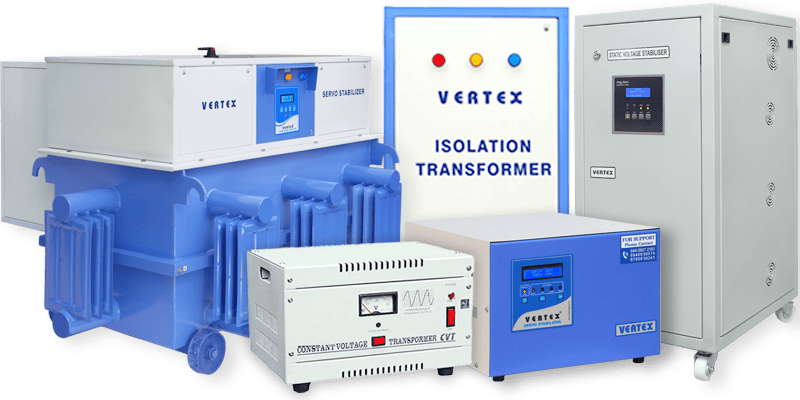
Modern stabilizers use advanced servo technology to deliver accurate voltage correction with high efficiency, ensuring that all connected equipment receives a stable and safe power supply.
How Does a Main Line Stabilizer Work?
The working principle of a main line stabilizer is straightforward but highly effective.
First, the stabilizer continuously measures the incoming supply voltage. Whenever it detects voltage outside the predefined operating range, it immediately activates its voltage correction mechanism.
In servo-operated models, a servo motor adjusts the variable transformer to either increase or decrease the output voltage. This process happens automatically and continuously, ensuring that connected equipment always receives the desired voltage level.
The entire operation takes place in real time, minimizing the impact of voltage fluctuations on sensitive electrical systems.
The basic working process includes:
- Monitoring the incoming voltage
- Detecting over-voltage or under-voltage conditions
- Automatically correcting voltage
- Delivering a stable output
- Protecting connected electrical equipment
This automatic regulation significantly improves the reliability of industrial and commercial power systems.
Why Businesses Need a Main Line Stabilizer
Voltage fluctuations may seem minor initially, but over time they can cause serious operational problems.
Without a main line stabilizer, businesses often experience:
- Unexpected machine shutdowns
- Frequent equipment failures
- Reduced production efficiency
- Higher electricity losses
- Increased maintenance expenses
- Shortened equipment lifespan
Installing a main line stabilizer helps eliminate these risks while providing continuous protection for all connected electrical systems.
Instead of installing separate stabilizers for every machine, businesses can secure their entire electrical infrastructure with a single centralized solution.
Key Benefits of Installing a Main Line Stabilizer
Complete Facility Protection
A main line stabilizer protects every connected electrical device from voltage fluctuations, making it an economical solution for facilities with multiple machines.
Improved Equipment Lifespan
Stable voltage minimizes electrical stress on motors, compressors, control panels, servers, and production equipment, helping them operate efficiently for many years.
Reduced Maintenance Costs
Consistent voltage reduces overheating, electrical failures, and premature wear, resulting in lower maintenance and repair expenses.
Increased Operational Efficiency
Stable electrical power enables machines to perform consistently without interruptions caused by fluctuating voltage.
Energy Savings
Although a main line stabilizer does not directly reduce electricity consumption, it helps electrical equipment operate more efficiently by minimizing voltage-related energy losses.
Better Productivity
Unplanned downtime can significantly impact production schedules. A main line stabilizer reduces operational interruptions, helping businesses maintain consistent productivity.
Long-Term Cost Savings
Preventing equipment damage often saves significantly more money than replacing expensive machinery affected by poor power quality.
Main Line Stabilizer: Benefits, Working Principle, and Buying Guide
Difference Between Main Line Stabilizer and Individual Equipment Stabilizer
Many buyers wonder whether they should install one central stabilizer or multiple unit-specific stabilizers.
Feature | Main Line Stabilizer | Individual Equipment Stabilizer |
| Installation Location | Main incoming power supply | Connected to individual equipment |
| Coverage | Entire building or facility | Single machine only |
| Maintenance | Centralized | Multiple units require maintenance |
| Installation Cost | Lower for multiple loads | Higher for many machines |
| Space Requirement | Single installation | Multiple installations |
| Power Management | Complete electrical system | Individual equipment protection |
| Suitable For | Industries, hospitals, offices | Small appliances or single machines |
For facilities operating numerous electrical systems, a main line stabilizer generally offers greater convenience and better overall protection.
Choosing the Right Main Line Stabilizer
Purchasing the right stabilizer involves more than selecting the correct capacity.
Here are the most important factors to evaluate.
Load Capacity
Calculate the total connected electrical load along with future expansion plans. Selecting an undersized stabilizer can reduce efficiency, while an oversized unit increases unnecessary investment.
Voltage Range
Understand the typical voltage fluctuations at your location. Choose a main line stabilizer designed to operate effectively within your site’s voltage conditions.
Voltage Accuracy
High-quality stabilizers typically maintain output voltage within ±1% to ±2%, ensuring reliable performance for sensitive equipment.
Cooling System
Choose between air-cooled and oil-cooled models depending on the application and operating environment.
Protection Features
Look for advanced safety functions including:
- Over-voltage protection
- Under-voltage protection
- Short-circuit protection
- Overload protection
- Thermal protection
- Phase failure protection
These features improve equipment safety and operational reliability.
Build Quality
Industrial stabilizers should feature heavy-duty enclosures, corrosion-resistant finishes, and high-quality electrical components capable of continuous operation.
Main Line Stabilizer: Benefits, Working Principle, and Buying Guide
Why Choosing the Right Manufacturer Matters
Even the most advanced stabilizer performs only as well as its manufacturing quality.
An experienced servo stabilizer manufacturer designs products using premium raw materials, precision engineering, and comprehensive quality testing. This ensures better efficiency, longer service life, and reliable voltage regulation.
Working directly with an established servo stabilizer manufacturer also provides advantages such as customized solutions, faster technical support, genuine spare parts, and better warranty coverage.
Before purchasing, evaluate the manufacturer’s industry experience, certifications, production capabilities, and customer support services.
Should You Buy from Suppliers or Manufacturers?
Many businesses purchase through authorized servo voltage stabilizer suppliers, while others prefer buying directly from manufacturers.
Authorized servo voltage stabilizer suppliers are ideal when businesses require quick product availability, local installation support, or immediate replacement units.
Manufacturers, however, are generally better suited for projects requiring customized specifications, large industrial installations, or long-term engineering support.
The best choice depends on your project’s complexity, delivery timeline, and technical requirements.
Common Mistakes to Avoid When Buying
Many buyers focus only on price and overlook important technical factors.
Avoid these common mistakes:
- Selecting capacity based only on current load
- Ignoring future expansion requirements
- Choosing products without proper certifications
- Comparing only price instead of performance
- Overlooking warranty terms
- Ignoring service availability
- Buying from inexperienced vendors
Careful evaluation before purchasing helps maximize long-term value and equipment reliability.
Industries That Benefit from Main Line Stabilizers
A main line stabilizer is widely used across multiple sectors, including:
- Manufacturing industries
- Hospitals and healthcare facilities
- Commercial complexes
- Educational institutions
- Hotels and hospitality businesses
- IT parks and data centers
- Warehouses
- Pharmaceutical industries
- Textile industries
- Printing and packaging units
Any organization relying on stable electrical power can benefit from centralized voltage regulation.
Conclusion
A main line stabilizer is one of the most effective solutions for protecting an entire electrical system from harmful voltage fluctuations. Instead of safeguarding individual machines, it provides centralized voltage regulation for all connected equipment, improving operational efficiency, reducing maintenance costs, and extending equipment lifespan.
Choosing the right capacity, voltage range, protection features, and build quality is essential for long-term performance. Equally important is selecting an experienced servo stabilizer manufacturer or trusted servo voltage stabilizer suppliers who can provide reliable products, technical guidance, and dependable after-sales support.
Investing in the right main line stabilizer today ensures safer operations, improved productivity, and greater peace of mind for years to come.
Frequently Asked Questions
1. What is a main line stabilizer?
A main line stabilizer is a voltage regulation system installed at the main power supply to stabilize voltage for an entire building or industrial facility.
2. Why should industries install a main line stabilizer?
It protects all connected electrical equipment from voltage fluctuations, reducing downtime, maintenance costs, and equipment failures.
3. How does a main line stabilizer work?
It continuously monitors incoming voltage and automatically corrects high or low voltage before supplying power to connected loads.
4. Should I buy from a servo stabilizer manufacturer?
Yes. Purchasing from an experienced servo stabilizer manufacturer often provides better customization, technical support, quality assurance, and long-term reliability.
5. Are servo voltage stabilizer suppliers a good option?
Authorized servo voltage stabilizer suppliers are an excellent choice for businesses requiring faster delivery, local support, and readily available products.
6. What capacity main line stabilizer should I choose?
Capacity depends on the total connected electrical load, starting current, and anticipated future expansion.
7. Does a main line stabilizer reduce electricity bills?
It does not directly lower electricity consumption but improves equipment efficiency and minimizes losses caused by unstable voltage.
8. How long does a main line stabilizer last?
With proper installation and periodic maintenance, a high-quality main line stabilizer can deliver reliable performance for well over 10 years.