


Introduction
When choosing a stabilizer, one of the most common questions is whether to install an Oil cooled stabilizer or an Air cooled stabilizer. Both technologies are designed to regulate voltage effectively, but they differ in cooling methods, installation requirements, maintenance, efficiency, and ideal applications.
In this comprehensive guide, we’ll compare both stabilizer types, explain their working principles, discuss their advantages, and help you determine which solution best suits your industry. We’ll also explore why selecting an experienced servo stabilizer manufacturer or trusted servo voltage stabilizer suppliers is just as important as choosing the right cooling technology.
Understanding How Voltage Stabilizers Protect Industrial Equipment
A voltage stabilizer continuously monitors incoming electrical supply and automatically adjusts voltage whenever it rises above or falls below the desired operating range. This ensures that connected equipment receives a stable power supply regardless of fluctuations in the grid.
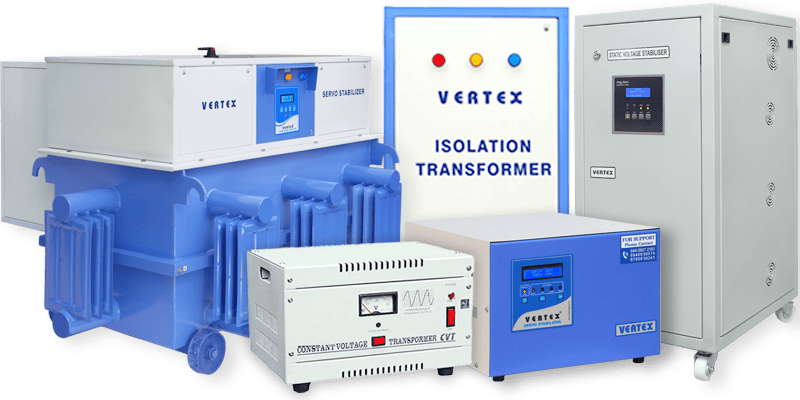
Servo-operated stabilizers use precision-controlled servo motors and variable transformers to maintain accurate output voltage. Depending on the cooling mechanism used, these stabilizers are broadly classified into two categories:
- Air cooled stabilizer
- Oil cooled stabilizer
Although both perform the same primary function, their cooling systems significantly influence performance, durability, and suitability for different industrial environments.
What Is an Air Cooled Stabilizer?
An Air cooled stabilizer dissipates heat naturally or with the help of cooling fans. As electrical components generate heat during voltage regulation, the surrounding air carries this heat away from the stabilizer.
Because no insulating oil is required, these stabilizers are compact, lightweight, and relatively easy to install.
Advantages of an Air cooled stabilizer
- Compact design
- Lower installation cost
- Minimal maintenance
- Cleaner operation without oil
- Suitable for indoor installations
- Easy accessibility for servicing
These stabilizers are commonly installed in offices, hospitals, educational institutions, laboratories, commercial buildings, and light industrial facilities where electrical loads are moderate.
What Is an Oil Cooled Stabilizer?
An Oil cooled stabilizer uses transformer-grade insulating oil to cool internal electrical components. The oil absorbs heat generated during operation and transfers it to the stabilizer’s tank surface, where it dissipates into the surrounding environment.
This cooling process is highly effective for handling heavy electrical loads and continuous industrial operation.
Benefits of an Oil cooled stabilizer
- Excellent heat dissipation
- Suitable for continuous operation
- Handles large electrical loads efficiently
- Longer operational lifespan
- Better performance under harsh industrial conditions
- High overload handling capability
Heavy manufacturing industries often choose oil-cooled stabiliser systems because of their ability to operate reliably for extended periods.
Oil Cooled Stabilizer vs Air Cooled Stabilizer: Which Is Best for Your Industry?
Difference Between Air Cooled Stabilizer and Oil Cooled Stabilizer
Feature | Air cooled stabilizer | Oil cooled stabilizer |
| Cooling Method | Natural air or cooling fans | Transformer insulating oil |
| Heat Dissipation | Moderate | Excellent |
| Installation | Simple | Requires more installation planning |
| Maintenance | Lower | Periodic oil inspection required |
| Suitable Capacity | Low to medium | Medium to very high |
| Continuous Operation | Good | Excellent |
| Industrial Applications | Commercial and light industry | Heavy industries and manufacturing |
| Equipment Size | Compact | Larger |
| Initial Cost | Lower | Higher |
| Expected Service Life | Long | Very long |
While both systems deliver effective voltage stabilization, their performance differs depending on the application.
Which Stabilizer Performs Better in Industrial Environments?
Industrial facilities often operate heavy machinery for long hours under demanding conditions. These environments generate significant electrical loads and continuous heat.
An Oil cooled stabilizer performs exceptionally well in such applications because insulating oil efficiently removes heat from internal components. Better cooling reduces electrical stress, improves efficiency, and extends component life.
Industries that typically prefer Oil cooled stabilizer systems include:
- Steel manufacturing
- Textile mills
- Cement plants
- Pharmaceutical manufacturing
- Automobile production
- Food processing industries
- Chemical plants
- Printing industries
For these demanding applications, oil cooling provides greater long-term reliability.
When an Air Cooled Stabilizer Is the Better Choice
Not every business requires heavy-duty industrial stabilization.
An Air cooled stabilizer is often the ideal solution for facilities where electrical loads are moderate and installation space is limited.
Typical applications include:
- Office buildings
- Hospitals
- Retail stores
- Educational institutions
- Laboratories
- Small manufacturing units
- Hotels
- Commercial complexes
These stabilizers offer reliable voltage correction while remaining economical and easy to maintain.
Factors to Consider Before Making Your Decision
Instead of selecting a stabilizer solely based on price, evaluate several technical factors.
Electrical Load
Calculate your connected electrical load along with future expansion plans. Larger facilities generally benefit from an oil-cooled stabiliser, while smaller commercial applications often perform well with an air-cooled stabiliser.
Operating Environment
Dust, temperature, humidity, and continuous operation all influence stabilizer performance.
Industrial environments with high ambient temperatures usually benefit from superior oil cooling.
Available Installation Space
An Air cooled stabilizer occupies less space and can often be installed indoors with minimal modifications.
Oil-cooled models require additional clearance and proper ventilation.
Maintenance Expectations
Air-cooled systems generally require less routine maintenance because they do not use insulating oil.
Oil-cooled stabilizers require periodic inspection of oil quality and insulation condition to maintain peak performance.
Budget
While an Air cooled stabilizer usually has a lower initial cost, an Oil cooled stabilizer may provide better long-term value for industries operating continuously under heavy loads.
Oil Cooled Stabilizer vs Air Cooled Stabilizer: Which Is Best for Your Industry?
Why Choosing the Right Manufacturer Matters
The cooling technology alone does not determine stabilizer performance. Manufacturing quality is equally important.
An experienced servo stabilizer manufacturer uses premium electrical components, precision engineering, and rigorous quality testing to produce reliable voltage stabilizers.
Benefits of choosing a trusted servo stabilizer manufacturer include:
- High manufacturing standards
- Customized engineering solutions
- Reliable quality testing
- Better energy efficiency
- Longer equipment lifespan
- Technical consultation
- Genuine spare parts
- Strong warranty support
Partnering with an experienced manufacturer helps ensure long-term operational reliability.
Buying from Suppliers vs Manufacturers
Businesses can purchase stabilizers either directly from manufacturers or through authorized servo voltage stabilizer suppliers.
Experienced servo voltage stabilizer suppliers often maintain ready inventory, provide faster delivery, and coordinate local installation and maintenance services.
However, for customized industrial projects requiring specialized voltage ranges, unique capacities, or specific engineering modifications, purchasing directly from a servo stabilizer manufacturer is often the better choice.
The ideal purchasing channel depends on your project’s complexity, budget, and delivery timeline.
Common Buying Mistakes to Avoid
Many businesses make purchasing decisions without evaluating long-term operational requirements.
Avoid these common mistakes:
- Choosing the lowest-priced stabilizer
- Ignoring future load expansion
- Selecting the wrong cooling technology
- Overlooking voltage fluctuation levels
- Ignoring warranty coverage
- Buying from inexperienced vendors
- Failing to verify after-sales support
Careful planning helps maximize equipment performance and return on investment.
Which Stabilizer Is Right for Your Industry?
The answer depends entirely on your operational needs.
If your facility operates heavy machinery around the clock and experiences high electrical loads, an Oil cooled stabilizer provides superior cooling, greater durability, and better long-term performance.
If your business requires a compact, economical, and low-maintenance solution for moderate electrical loads, an Air cooled stabilizer is often the most practical option.
Instead of asking which technology is universally better, determine which solution best matches your industry’s electrical requirements, operating environment, and future growth plans.
Conclusion
Both Air cooled stabilizer and Oil cooled stabilizer systems offer reliable voltage regulation, but each is designed for different operating conditions. Air-cooled models are compact, economical, and ideal for commercial applications, while oil-cooled stabilizers deliver outstanding heat dissipation and dependable performance for heavy industrial environments.
FAQ
1. What is the main difference between an Air cooled stabilizer and an Oil cooled stabilizer?
An Air cooled stabilizer uses air for cooling, while an Oil cooled stabilizer uses insulating oil for superior heat dissipation during continuous operation.
2. Which stabilizer is better for heavy industries?
An Oil cooled stabilizer is generally preferred for heavy industries because it handles high electrical loads and continuous operation more efficiently.
3. Is an Air cooled stabilizer suitable for commercial buildings?
Yes. An Air cooled stabilizer is ideal for offices, hospitals, schools, hotels, laboratories, and commercial facilities with moderate electrical loads.
4. Why should I choose an experienced servo stabilizer manufacturer?
A reputable servo stabilizer manufacturer provides superior engineering, quality testing, customization options, reliable warranties, and long-term technical support.
5. Are servo voltage stabilizer suppliers a good purchasing option?
Yes. Authorized servo voltage stabilizer suppliers offer quick delivery, local service support, and genuine products from established manufacturers.
6. Which stabilizer requires less maintenance?
An Air cooled stabilizer generally requires less maintenance because it does not use transformer oil.
7. Does an Oil cooled stabilizer last longer?
With proper maintenance, an Oil cooled stabilizer often delivers an exceptionally long service life, particularly in demanding industrial environments.
8. How do I choose the right stabilizer for my industry?
Evaluate your electrical load, voltage fluctuation levels, operating hours, installation space, maintenance expectations, and future expansion before making a decision.