
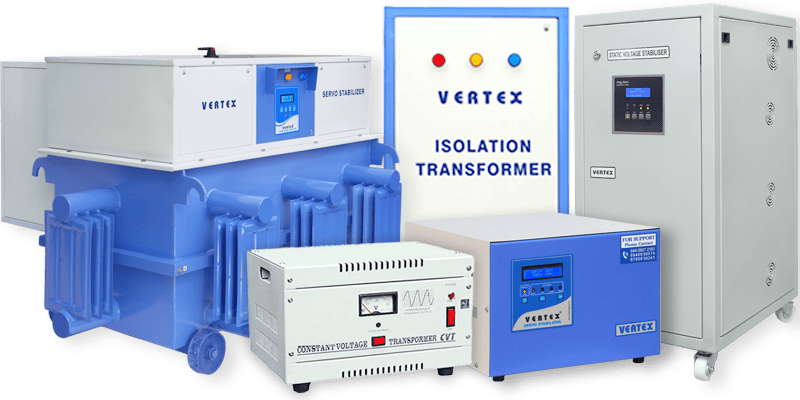


Introduction
A Servo Voltage Stabilizer is often the silent protector of industrial equipment, ensuring that machines receive a stable voltage supply despite fluctuations in the incoming power. While these systems are designed for long-term reliability, they are not maintenance-free. Ignoring routine inspections can gradually reduce efficiency, increase energy losses, and eventually lead to costly breakdowns.This guide provides a practical preventive maintenance checklist for every Servo Voltage Stabilizer, including daily observations, monthly inspections, and annual servicing recommendations. If you’re using a 3-phase servo stabilizer, these maintenance practices become even more critical because they support multiple heavy electrical loads simultaneously.

Why Preventive Maintenance Is Essential for Every Servo Voltage Stabilizer
Electrical equipment naturally experiences wear over time. Dust accumulates, electrical connections loosen, cooling systems become less effective, and internal components gradually age. These small issues may seem insignificant individually, but together they can affect voltage regulation and overall system performance.
A well-maintained Servo Voltage Stabilizer offers several long-term advantages:
- Improved voltage regulation accuracy
- Reduced risk of unexpected shutdowns
- Longer equipment lifespan
- Lower maintenance costs
- Better protection for connected machinery
- Increased energy efficiency
Daily and Weekly Checks That Prevent Major Problems
The first line of preventive maintenance doesn’t require advanced tools. Simple visual inspections performed by operators or maintenance personnel can identify warning signs early.
When checking your Servo Voltage Stabilizer, pay attention to the following:
- Ensure there are no unusual alarms or fault indications.
- Listen for abnormal humming, buzzing, or vibration.
- Check that cooling fans are operating properly.
- Verify that ventilation openings remain free from dust and obstructions.
- Observe the input and output voltage readings for unusual variations.
- Inspect the surrounding area for moisture, oil leaks, or excessive heat.
For facilities operating a 3-phase servo stabilizer, compare voltage readings across all three phases. Significant imbalance may indicate upstream electrical issues or internal stabilizer problems that require further investigation.
Monthly Preventive Maintenance Checklist
Monthly inspections involve a more detailed evaluation of both electrical and mechanical components.
Maintenance personnel should inspect:
Electrical Connections
Loose terminals generate heat, increase resistance, and may eventually damage internal components. Tighten all electrical connections according to the manufacturer’s torque recommendations.
Dust and Dirt Accumulation
Industrial environments often expose equipment to airborne dust, metal particles, and chemical residues. Clean the enclosure, cooling vents, and control compartments using appropriate non-conductive cleaning methods.
Servo Motor Performance
The servo motor continuously adjusts the voltage correction mechanism. Check for smooth movement without unusual noise or jerky operation.
Carbon Brush Inspection
Many Servo Voltage Stabilizer models use carbon brushes that naturally wear over time. Excessive wear can reduce voltage correction accuracy.
Replace worn brushes before they affect performance.
Display and Meter Accuracy
Compare panel readings with calibrated measuring instruments to confirm accurate voltage indication.
These monthly inspections usually require minimal downtime while significantly improving system reliability.
Quarterly Testing for Reliable Industrial Performance
Every three months, maintenance should move beyond visual inspection and include functional testing.
Recommended quarterly tests include:
- Input voltage verification
- Output voltage stability testing
- Load performance assessment
- Phase balancing evaluation
- Protection relay operation
- Transformer temperature monitoring
- Insulation resistance measurement
For facilities operating large production lines, a 3-phase servo stabilizer should be tested under varying load conditions to ensure consistent voltage regulation during peak production hours.
This proactive approach helps identify hidden problems that may not be visible during routine inspections.
Servo Voltage Stabilizer Preventive Maintenance
Annual Servicing: When Professional Maintenance Makes the Difference
Even with regular in-house maintenance, every Servo Voltage Stabilizer should undergo professional servicing at least once a year.
Qualified service engineers typically perform:
- Complete internal cleaning
- Calibration of voltage control circuits
- Insulation testing
- Transformer winding inspection
- Servo motor alignment
- Carbon brush replacement if required
- Relay performance testing
- Protection system verification
- Thermal imaging inspection
- Full-load operational testing
Leading servo stabilizer manufacturer organizations often provide annual maintenance contracts (AMCs), ensuring that trained technicians use genuine replacement parts and follow factory-recommended procedures.
Annual servicing is particularly important for facilities where voltage-sensitive equipment operates continuously, such as hospitals, semiconductor manufacturing plants, laboratories, and data centers.
Difference Between Preventive Maintenance and Reactive Maintenance
| Feature | Preventive Maintenance | Reactive Maintenance |
| Maintenance Schedule | Planned at regular intervals | Performed only after failure |
| Equipment Downtime | Minimal | Often unexpected and lengthy |
| Repair Cost | Lower | Usually higher |
| Equipment Life | Extended | Reduced |
| Production Reliability | High | Frequently interrupted |
| Emergency Repairs | Rare | Common |
| Overall Operating Cost | Lower over time | Higher over time |
Servo Voltage Stabilizer Preventive Maintenance
Common Maintenance Mistakes That Shorten Stabilizer Life
Even quality equipment can fail prematurely when maintenance practices are neglected.
Some of the most common mistakes include:
Ignoring unusual operating noise is one of the earliest signs of internal mechanical wear. Delaying inspection often allows minor issues to develop into major failures. Allowing dust to accumulate inside the enclosure restricts airflow and increases operating temperature, reducing component lifespan.
Overloading the Servo Voltage Stabilizer beyond its rated capacity accelerates insulation aging and transformer heating. Using non-genuine replacement parts may affect voltage regulation accuracy and reduce long-term reliability.
Practical Example: Preventive Maintenance in a Manufacturing Plant
Consider a precision engineering company operating CNC machines, robotic welding stations, and automated inspection systems. Their 3-phase servo stabilizer supports the entire production line.
Initially, maintenance was performed only after faults occurred, resulting in frequent production interruptions and expensive emergency service visits.
The company later implemented a preventive maintenance schedule that included weekly inspections, monthly cleaning, quarterly electrical testing, and annual professional servicing.
Within one year, they experienced:
- Fewer voltage-related machine failures
- Reduced emergency maintenance expenses
- Improved production uptime
- Longer equipment life
- Better power quality across the facility
Choosing a Reliable Service Partner
Maintenance quality depends not only on internal procedures but also on selecting experienced service professionals.
When evaluating a maintenance provider or servo stabilizer manufacturer, consider:
- Industry experience
- Availability of genuine spare parts
- Factory-trained engineers
- Response time for service calls
- Preventive maintenance documentation
- Thermal imaging and testing capabilities
- Annual maintenance contract options
- Technical support after installation
Working with an established servo stabilizer manufacturer helps ensure your stabilizer continues operating according to original design specifications throughout its service life.
Conclusion
A Servo Voltage Stabilizer is a critical investment for protecting valuable electrical equipment from voltage fluctuations. However, even the best stabilizer cannot deliver reliable performance without regular maintenance. By following a structured preventive maintenance checklist—including daily observations, monthly inspections, quarterly testing, and annual professional servicing—you can significantly improve equipment reliability, reduce operating costs, and extend the lifespan of both the stabilizer and the machinery it protects.
FAQ
1. How often should a Servo Voltage Stabilizer be serviced?
Routine visual inspections should be performed weekly, detailed maintenance monthly, functional testing quarterly, and comprehensive professional servicing at least once a year.
2. Why is preventive maintenance important for a Servo Voltage Stabilizer?
Preventive maintenance helps prevent unexpected failures, improves voltage regulation, extends equipment lifespan, and reduces overall maintenance costs.
3. Does a 3-phase servo stabilizer require different maintenance than a single-phase unit?
Yes. A 3-phase servo stabilizer requires additional checks for phase balance, load distribution, and three-phase voltage stability to ensure consistent performance.
4. Can dust affect the performance of a Servo Voltage Stabilizer?
Absolutely. Dust restricts airflow, increases operating temperature, and may cause overheating or electrical faults if not cleaned regularly.
5. What are the signs that a Servo Voltage Stabilizer needs immediate attention?
Common warning signs include abnormal noise, overheating, fluctuating output voltage, repeated alarms, burnt smell, or visible damage to electrical components.
6. Should maintenance be performed by the equipment owner or a servo stabilizer manufacturer?
Basic inspections can be handled by trained maintenance personnel, while calibration, internal testing, and major servicing should be performed by an experienced servo stabilizer manufacturer or authorized service engineer.
7. How long can a properly maintained Servo Voltage Stabilizer last?
With proper installation and preventive maintenance, a high-quality Servo Voltage Stabilizer can operate reliably for 15–25 years, depending on load conditions and the operating environment.
8. Is preventive maintenance more cost-effective than emergency repairs?
Yes. Preventive maintenance reduces downtime, minimizes repair expenses, improves equipment reliability, and lowers the total cost of ownership over the stabilizer’s lifecycle.