


Introduction
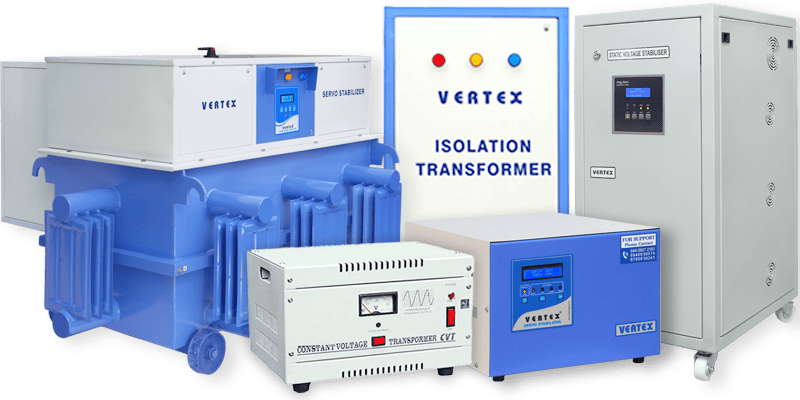
Selecting the correct 3 Phase Servo Stabilizer capacity is one of the most important decisions when protecting industrial machinery and electrical equipment. A stabilizer that is too small can overload, trip frequently, and reduce equipment life. On the other hand, choosing an oversized stabilizer increases your investment without providing proportional benefits. Whether you’re installing a stabilizer for a manufacturing plant, CNC machine, textile unit, printing press, hospital, commercial building, or processing facility, understanding how to calculate the required capacity ensures reliable voltage regulation and long-term equipment protection.
Why Correct Capacity Selection Matters More Than You Think
Voltage fluctuations are common in many industrial areas due to changing load conditions, grid instability, and heavy electrical demand. A properly sized 3 Phase Servo Stabilizer maintains a consistent output voltage, allowing connected equipment to operate efficiently.
An incorrectly sized stabilizer may result in:
- Frequent overload conditions
- Unexpected shutdowns
- Excessive heating
- Reduced equipment lifespan
- Lower production efficiency
- Increased maintenance expenses
Proper capacity calculation isn’t simply about matching the connected load. It also considers future expansion, starting current, power factor, and load characteristics.
Understand the Basic Formula Before Choosing a 3 Phase Servo Stabilizer
The capacity of a 3 Phase Servo Stabilizer is generally measured in kVA (Kilovolt-Amperes), while many industrial machines specify power in kW.
The standard three-phase formula is:
kVA = (√3 × Voltage × Current) ÷ 1000
When equipment power is available in kW:
kVA = kW ÷ Power Factor
For most industrial installations, the power factor typically ranges from 0.8 to 0.95 depending on the type of equipment.
Example 1
Suppose your factory load is:
- Total connected load = 40 kW
- Power Factor = 0.8
Calculation:
40 ÷ 0.8 = 50 kVA
In this case, selecting at least a 50 kVA 3 Phase Servo Stabilizer would be appropriate before considering additional safety margins.
Evaluate Your Actual Load Instead of Only Connected Load
One of the biggest mistakes industries make is adding the ratings of every machine without understanding actual operating conditions.
For example, a factory may have:
- CNC Machine – 15 kW
- Air Compressor – 10 kW
- Hydraulic Press – 12 kW
- Lighting – 3 kW
- Cooling System – 8 kW
Although the connected load equals 48 kW, all machines may not operate simultaneously.
Instead of simply adding every rating, evaluate:
- Simultaneous operating load
- Future machinery additions
- Peak operating conditions
- Motor starting currents
- Seasonal production increases
A qualified electrical assessment often reveals the actual operating requirement is significantly different from the connected load.
How to Calculate the Right Capacity for a 3 Phase Servo Stabilizer
Don’t Ignore Starting Current While Selecting Capacity
Many industrial machines use induction motors, compressors, pumps, elevators, and heavy-duty equipment that draw significantly higher current during startup.
For a few seconds, the starting current can be:
- 2 times normal load
- 3 times normal load
- Sometimes even 6 times rated current
If the 3 Phase Servo Stabilizer is selected only for running load, it may experience overload whenever these motors start.
Practical Example
A 30 kVA running load may briefly require around 45–55 kVA during startup.
This is why experienced engineers often recommend providing an additional safety margin instead of choosing the exact calculated value.
Add a Practical Safety Margin for Future Expansion
Industrial facilities rarely remain unchanged. Production often increases, additional machines are installed, and electrical demand grows over time.
Rather than replacing the stabilizer after a few years, consider adding approximately 20–30% extra capacity during selection.
For example:
Calculated Load:
50 kVA
Recommended Capacity:
Approximately 63 kVA or 75 kVA depending on future expansion plans.
This additional margin improves operational flexibility while preventing overload during production growth
Important Factors That Influence Stabilizer Capacity
Selecting the correct 3 Phase Servo Stabilizer involves much more than mathematical calculations.
Input Voltage Range
Areas experiencing severe voltage fluctuations require stabilizers designed for wider correction ranges. Larger correction ranges can influence transformer sizing and overall performance.
Type of Load
Different equipment behaves differently.
Examples include:
- CNC Machines
- Textile Machinery
- Elevators
- Medical Equipment
- Printing Machines
- Packaging Lines
- Injection Molding Machines
Each application has unique voltage sensitivity and load characteristics.
Continuous vs Intermittent Operation
Factories running 24/7 require stabilizers capable of handling continuous operation without overheating.
Environmental Conditions
Dust, humidity, temperature, and installation location also influence stabilizer selection.
Oil-cooled and air-cooled models should be selected according to operating conditions and load requirements.
Common Capacity Selection Mistakes to Avoid
Many industries experience stabilizer failures due to incorrect sizing rather than manufacturing defects.
Avoid these common errors:
- Selecting based only on equipment purchase cost
- Ignoring power factor
- Forgetting motor starting current
- Not considering future production expansion
- Choosing the exact calculated capacity without safety margin
- Assuming all applications require identical stabilizers
Proper planning significantly reduces maintenance costs and improves equipment reliability.
Final Thoughts
Choosing the correct 3 Phase Servo Stabilizer is not just about matching numbers on a specification sheet. It requires understanding your electrical load, power factor, equipment characteristics, starting current, operating environment, and future expansion plans. By following proper calculation methods and allowing adequate capacity margins, businesses can avoid unnecessary downtime, protect expensive equipment, and improve overall power reliability. Investing a little extra time during the selection stage helps ensure your stabilizer delivers dependable performance for many years while supporting uninterrupted industrial operations.
FAQ
1. How do I calculate the required 3 Phase Servo Stabilizer capacity?
Calculate the total running load in kW, divide it by the power factor to obtain kVA, and then add a 20–30% safety margin for future expansion and motor starting current.
2. Why is kVA used instead of kW?
kVA represents apparent power, which includes both active and reactive power. Since stabilizers supply total electrical power, manufacturers specify their capacity in kVA.
3. Can I choose a smaller 3 Phase Servo Stabilizer to reduce costs?
Undersized stabilizers often overload, overheat, and fail prematurely. Choosing the correct capacity provides better equipment protection and lowers long-term maintenance costs.
4. Should future expansion be included in capacity calculations?
Yes. Adding a safety margin for future machinery helps avoid replacing the stabilizer when production capacity increases.
5. Does motor starting current affect stabilizer selection?
Absolutely. Motors draw significantly higher current during startup, so the stabilizer must be capable of handling these temporary surges without tripping.
6. Which industries commonly use a 3 Phase Servo Stabilizer?
Manufacturing plants, hospitals, textile mills, printing industries, engineering workshops, pharmaceutical facilities, commercial buildings, and data centers commonly use these stabilizers.
7. Is power factor important when calculating stabilizer capacity?
Yes. Ignoring power factor can result in selecting an undersized stabilizer, reducing efficiency and increasing the risk of overload.
8. Can one 3 Phase Servo Stabilizer protect multiple machines?
Yes. A properly sized stabilizer can protect multiple machines simultaneously, provided the total operating load, surge current, and future expansion requirements are considered during capacity selection.