


Introduction
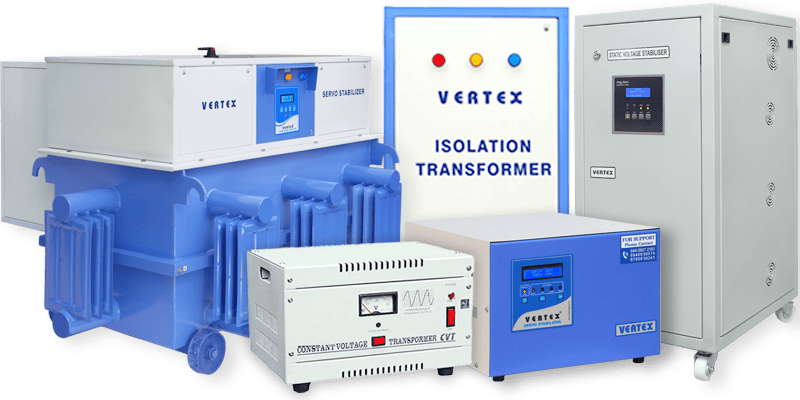
A servo voltage stabilizer is one of the most valuable investments for industries, commercial buildings, hospitals, data centers, manufacturing plants, and residential facilities that depend on a stable power supply. While these systems are designed for long-term reliability, even the most advanced stabilizer can lose efficiency without proper maintenance. Regular servo stabilizer maintenance not only extends equipment life but also minimizes downtime, prevents costly repairs, and protects sensitive electrical equipment from damaging voltage fluctuations.
Why Preventive Maintenance Is More Cost-Effective Than Emergency Repairs
Many organizations only inspect their stabilizers after they begin showing warning signs such as fluctuating output voltage, unusual noise, overheating, or reduced efficiency. Unfortunately, waiting until problems appear often leads to expensive repairs and unexpected production losses.
Routine servo stabilizer maintenance offers several long-term benefits:
- Consistent voltage regulation
- Longer equipment lifespan
- Lower maintenance costs
- Reduced energy losses
- Better protection for connected machinery
- Improved operational reliability
Industries operating continuously can avoid significant financial losses simply by scheduling preventive inspections rather than reactive repairs.
Focus on Components That Influence Performance the Most
A servo voltage stabilizer consists of multiple components working together. Neglecting any one of them can affect overall performance.
Carbon Brush and Variable Transformer
The carbon brush continuously moves across the copper winding to regulate voltage. Over time, brush wear can reduce accuracy and create sparking.
During servo stabilizer maintenance, technicians should inspect:
- Carbon brush wear
- Smooth movement
- Contact pressure
- Copper winding condition
Replacing worn brushes before failure prevents unnecessary transformer damage.
Servo Motor
The servo motor automatically adjusts voltage by moving the carbon brush. Slow or irregular movement indicates possible wear or electrical issues.
Signs requiring inspection include:
- Delayed voltage correction
- Excessive vibration
- Abnormal operating sounds
- Motor overheating
Routine lubrication and testing improve motor reliability.
Cooling System
Cooling directly affects stabilizer lifespan.
An air-cooled servo stabilizer manufacturer generally recommends cleaning cooling fans, ventilation openings, and heat dissipation channels at regular intervals. Dust accumulation restricts airflow, increasing internal temperatures and reducing component life.
Maintaining proper ventilation is especially important in factories where airborne particles accumulate quickly.
Environmental Factors That Reduce Stabilizer Life
Even the highest-quality stabilizer performs poorly if installed in an unsuitable environment.
Common environmental risks include:
- Excessive dust
- High humidity
- Water leakage
- Poor ventilation
- Chemical fumes
- High ambient temperatures
- Continuous overload
For example, a textile manufacturing facility generates fine cotton dust that can block cooling systems. Similarly, chemical plants may expose electrical components to corrosive gases.
Keeping the installation area clean significantly improves servo stabilizer maintenance effectiveness.
Maintaining Servo Voltage Stabilizers for Maximum Performance
Warning Signs You Should Never Ignore
Most stabilizers provide early indications before major failures occur.
Watch for symptoms such as:
- Frequent voltage fluctuations
- Output voltage instability
- Overheating
- Burning smell
- Loud humming
- Slow voltage correction
- Unexpected shutdowns
- Display alarm messages
Ignoring these warning signs can eventually damage expensive machinery connected to the stabilizer.
For industries operating CNC machines, injection molding machines, medical equipment, elevators, or automation systems, early diagnosis can prevent hours of costly downtime.
Choose Genuine Spare Parts and Qualified Service Professionals
One common reason stabilizers fail prematurely is the use of incompatible spare parts.
During servo stabilizer maintenance, always ensure:
- Genuine replacement components
- Proper calibration after repairs
- Manufacturer-approved testing procedures
- Qualified service engineers
- Accurate voltage settings
Working with an experienced air-cooled servo stabilizer manufacturer or an authorized service provider helps maintain factory-level performance while protecting warranty coverage.
Experienced technicians can also identify hidden issues before they develop into expensive failures.
Smart Monitoring Is Changing Preventive Maintenance
Modern servo stabilizers increasingly include digital monitoring systems that simplify maintenance.
Advanced monitoring features include:
- Real-time voltage display
- Load monitoring
- Temperature monitoring
- Fault history
- Alarm notifications
- Remote diagnostics
- Predictive maintenance alerts
Instead of waiting for failures, maintenance teams can schedule servicing based on actual operating conditions.
Industries adopting predictive maintenance often experience lower maintenance costs and improved equipment availability.
Simple Daily Habits That Improve Long-Term Reliability
Maintenance is not limited to annual servicing. Small daily practices contribute significantly to equipment reliability.
Operators should:
- Check input and output voltage readings.
- Listen for unusual operating sounds.
- Ensure ventilation openings remain unobstructed.
- Keep the surrounding area clean.
- Record abnormal events in a maintenance log.
- Avoid overloading the stabilizer.
- Schedule inspections before seasonal power fluctuations.
Conclusion
A servo voltage stabilizer performs a critical role in protecting valuable electrical equipment from unstable power conditions. However, even the most advanced system requires regular care to maintain peak efficiency. Consistent servo stabilizer maintenance, timely replacement of worn components, proper environmental conditions, routine inspections, and support from a trusted air-cooled servo stabilizer manufacturer all contribute to longer equipment life and improved voltage regulation.
FAQ
1. How often should servo stabilizer maintenance be performed?
Routine visual inspections should be done weekly, cleaning monthly, electrical inspections every three to six months, and comprehensive servicing annually.
2. Why is cooling important in a servo voltage stabilizer?
Proper cooling prevents overheating, improves efficiency, protects internal components, and extends the overall lifespan of the stabilizer.
3. How does a three phase servo stabilizer differ from a single-phase model?
A three phase servo stabilizer is designed for industrial equipment with higher power demands, while a single phase servo stabilizer is commonly used for residential and light commercial applications.
4. Can dust reduce stabilizer performance?
Yes. Dust restricts airflow, increases operating temperatures, and may damage internal electrical components if regular cleaning is neglected.
5. Why should I choose an experienced air cooled servo stabilizer manufacturer?
A reliable air cooled servo stabilizer manufacturer provides quality products, genuine spare parts, technical support, and professional maintenance services that improve long-term reliability.
6. What are the early signs that a stabilizer requires servicing?
Frequent voltage fluctuations, overheating, unusual noises, delayed voltage correction, burning smell, and recurring alarms all indicate that maintenance is required.
7. Does preventive maintenance reduce operating costs?
Yes. Preventive servo stabilizer maintenance minimizes breakdowns, lowers repair expenses, improves efficiency, and prevents production downtime.
8. Can digital monitoring improve stabilizer maintenance?
Absolutely. Modern monitoring systems provide real-time diagnostics, fault alerts, and predictive maintenance insights, allowing problems to be addressed before they become major failures.