
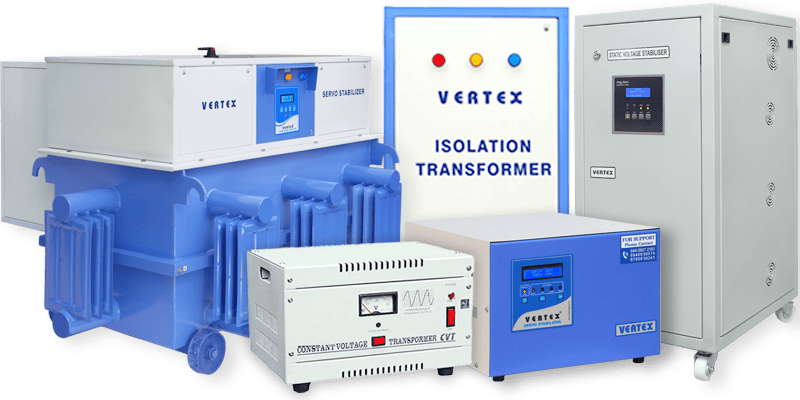


Introduction
A well-chosen transformer improves equipment reliability, minimizes downtime, enhances electrical safety, and reduces long-term operating costs. Whether you’re installing new machinery, upgrading an industrial facility, or powering imported equipment, understanding transformer specifications can save your business from expensive mistakes. This guide explains everything you need to know about choosing the ideal Step Down Transformer, including voltage ratings, sizing considerations, common applications, and practical selection tips that help industries achieve reliable power distribution.

Why Choosing the Right Step Down Transformer Matters More Than You Think
Many electrical failures don’t occur because of poor equipment—they happen because the equipment receives the wrong voltage. Motors overheat, PLCs malfunction, control panels trip unexpectedly, and sensitive electronics suffer premature failure when supplied with incorrect voltage.
A properly selected Step Down Transformer provides stable voltage conversion while ensuring that connected equipment operates within its designed electrical limits.
For industries, this means:
- Longer equipment life
- Improved operational efficiency
- Lower maintenance costs
- Better power quality
- Enhanced workplace safety
Instead of treating a transformer as just another electrical component, think of it as the foundation of a dependable power system.
Understanding Voltage Ratings Before You Make a Purchase
The first specification to verify when selecting a Step Down Transformer is the voltage requirement.
Every transformer is designed to convert one voltage level into another. Before purchasing, identify three essential values:
- Primary (input) voltage
- Secondary (output) voltage
- Frequency (typically 50 Hz or 60 Hz)
How to Calculate the Correct Transformer Capacity
One of the most common buying mistakes is selecting a transformer based only on voltage while ignoring load capacity.
Transformer capacity is measured in kVA rather than watts because it accounts for both voltage and current.
A simplified sizing approach includes:
- Calculate the total connected load.
- Consider future expansion.
- Include starting current for motors.
- Maintain a safety margin of around 20–30%.
Practical Example
Suppose a factory operates:
- One CNC machine
- Two control panels
- Industrial lighting
- Testing equipment
If the combined load equals approximately 18 kVA, choosing a 25 kVA Step Down Transformer provides sufficient reserve capacity for future additions and avoids overloading during peak demand.
Industrial Applications Where Step Down Transformer Delivers Maximum Value
A Step Down Transformer is used across numerous industries because many machines require lower operating voltages than the available power supply.
Manufacturing Plants
Factories frequently install imported equipment designed for different international voltage standards. Transformers safely convert supply voltage without modifying the machinery.
CNC and Automation Systems
PLC panels, CNC machines, robotic systems, and industrial controllers often require precise voltage for reliable performance.
Medical Equipment
Diagnostic devices, laboratory instruments, and testing equipment benefit from stable voltage conversion to maintain measurement accuracy.
Data Centers
Servers and networking infrastructure require consistent electrical supply to reduce unexpected shutdowns and hardware failures.
Educational Laboratories
Engineering colleges, research centers, and testing facilities commonly use transformers to power specialized experimental equipment.
Commercial Buildings
Shopping malls, office complexes, and commercial establishments often install Step Down Transformer systems for imported HVAC equipment, elevators, and automation controls.
Step Down Transformer Selection Guide: Voltage Ratings, Applications
Best Practices That Improve Transformer Performance and Lifespan
Purchasing the correct Step Down Transformer is only part of the equation. Proper installation and maintenance greatly influence long-term reliability.
Choose Quality Insulation
High-quality insulation materials improve thermal performance and extend transformer life, especially in demanding industrial environments.
Ensure Proper Ventilation
Transformers generate heat during operation. Adequate airflow prevents overheating and improves efficiency.
Never Operate at Maximum Capacity Continuously
Keeping operating loads below the rated maximum reduces internal heating and extends insulation life.
Inspect Electrical Connections Regularly
Loose terminals increase resistance and generate excessive heat. Routine inspections help prevent failures.
Protect Against Moisture and Dust
Industrial environments expose equipment to contaminants. Installing transformers in clean, dry locations minimizes insulation degradation.
Monitor Temperature
Unexpected temperature increases often indicate overloading or ventilation issues. Thermal monitoring enables preventive maintenance before failures occur.
Common Selection Mistakes Businesses Should Avoid
Even experienced buyers occasionally overlook critical specifications when purchasing a Step Down Transformer.
Some of the most common mistakes include:
Ignoring future load expansion, forcing early replacement as operations grow.
Selecting the lowest-priced transformer instead of evaluating efficiency, reliability, and build quality.
Assuming all transformers have identical cooling methods without considering environmental conditions.
Overlooking frequency compatibility when importing machinery.
Installing transformers without appropriate protective devices such as circuit breakers or surge protection.
Neglecting routine preventive maintenance after installation.
Avoiding these errors helps maximize return on investment while minimizing operational interruptions.
Final Thoughts
Selecting the right model involves much more than matching voltage ratings. Load capacity, application type, cooling method, installation environment, and future expansion all contribute to long-term performance. Investing time in proper transformer selection helps businesses improve equipment reliability, reduce downtime, increase operational efficiency, and protect valuable electrical assets. Whether you’re powering manufacturing machinery, laboratory instruments, automation systems, or commercial equipment, choosing the appropriate Step Down Transformer ensures dependable operation for years to come.
FAQ
1. What is the primary purpose of a Step Down Transformer?
A Step Down Transformer reduces high input voltage to a lower output voltage suitable for operating electrical equipment safely and efficiently.
2. How do I choose the correct capacity for a Step Down Transformer?
Calculate the total connected load, include future expansion requirements, and maintain an additional safety margin to avoid overloading.
3. Can a Step Down Transformer regulate voltage fluctuations?
No. A Step Down Transformer only changes voltage levels. For fluctuating power supply, a voltage stabilizer should also be installed.
4. Which industries commonly use Step Down Transformer systems?
Manufacturing plants, hospitals, laboratories, commercial buildings, automation facilities, educational institutions, and data centers widely use Step Down Transformer solutions.
5. What happens if the transformer capacity is too small?
An undersized Step Down Transformer may overheat, trip protective devices, reduce equipment performance, and experience premature failure.
6. Does frequency matter when selecting a Step Down Transformer?
Yes. The transformer frequency should match the electrical system and connected equipment to ensure safe and efficient operation.
7. How long does a Step Down Transformer typically last?
With proper installation and regular maintenance, a high-quality Step Down Transformer can provide reliable service for 20 years or more.
8. Is preventive maintenance necessary for a Step Down Transformer?
Yes. Periodic inspections, cleaning, temperature monitoring, and checking electrical connections help maximize performance and extend transformer lifespan.
