


Introduction
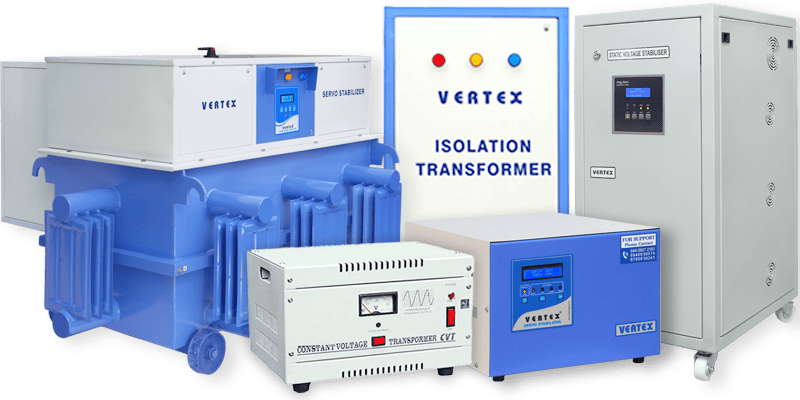
Installing a servo voltage stabilizer is not just about protecting electrical equipment—it is a strategic investment that delivers measurable returns. Reduced repair expenses, lower production losses, improved energy efficiency, and longer equipment life all contribute to a strong return on investment (ROI). In this guide, we’ll explore how businesses can calculate the ROI of a servo voltage stabilizer, understand where the savings come from, and learn why choosing the right servo stabilizer manufacturer makes a significant difference in long-term performance.
Why Voltage Fluctuations Cost More Than Most Businesses Realize
Many industries assume voltage fluctuations are simply an unavoidable part of operating electrical equipment. In reality, unstable voltage creates a chain reaction of hidden expenses.
When voltage rises above or falls below acceptable limits, electrical equipment operates inefficiently. Motors draw excessive current, electronic controllers malfunction, compressors overheat, and sensitive automation systems experience repeated interruptions.
Common business impacts include:
- Unexpected equipment breakdowns
- Increased maintenance costs
- Production downtime
- Higher electricity consumption
- Reduced equipment lifespan
- Product quality issues
- Loss of customer commitments due to delays
Even a few voltage-related shutdowns each year can cost businesses far more than the price of installing a stabilizer.
How Servo Voltage Stabilizers Help Reduce Energy Costs
Electrical equipment performs best when operating within its designed voltage range.
When voltage drops significantly, motors require more current to maintain performance. Higher current increases heat generation, resulting in energy losses and unnecessary wear.
By maintaining constant output voltage, a servo stabilizer allows equipment to operate closer to its rated efficiency.
Typical energy-saving benefits include:
- Improved motor efficiency
- Reduced transformer heating
- Lower current draw
- Better HVAC performance
- Stable compressor operation
- Reduced electrical losses
Although actual savings vary depending on the application, industries with heavy motor loads often experience noticeable improvements in operational efficiency after installing a properly sized three phase servo stabilizer.
Downtime Reduction: The Biggest Contributor to ROI
For most industries, downtime is significantly more expensive than electricity costs.
Consider a manufacturing facility where production stops because of voltage fluctuations affecting CNC machines, PLC systems, or conveyor controls.
The costs quickly accumulate:
- Idle workforce
- Delayed production schedules
- Missed customer deliveries
- Overtime expenses
- Emergency maintenance
- Material wastage
A quality three phase servo stabilizer provides stable voltage to critical industrial equipment, reducing unexpected shutdowns and improving production continuity.
Difference Between Single Phase and Three Phase Servo Stabilizers
| Feature | Single Phase Servo Stabilizer | Three Phase Servo Stabilizer |
| Power Supply | Single-phase | Three-phase |
| Typical Applications | Homes, offices, clinics, retail stores | Factories, manufacturing plants, hospitals, large commercial buildings |
| Equipment Supported | Computers, printers, AC units, medical devices | CNC machines, compressors, motors, production lines |
| Capacity | Lower power loads | High-capacity industrial loads |
| Installation Cost | Lower | Higher |
| Long-Term Savings | Protects smaller equipment | Maximizes industrial productivity |
ROI of Installing a Servo Voltage Stabilizer
Choosing the Right Cooling Technology for Better Returns
Cooling efficiency also affects operating reliability.
Modern stabilizers are generally available in air-cooled and oil-cooled designs.
Businesses with moderate load requirements often prefer systems supplied by an experienced air cooled servo stabilizer manufacturer because they offer:
- Simple installation
- Lower maintenance
- Compact footprint
- Faster heat dissipation
- Cost-effective operation
For heavy industrial applications involving continuous high loads, oil-cooled systems may provide better thermal performance.
The right cooling method should always match the operating environment, load profile, and duty cycle.
Why the Manufacturer Directly Influences ROI
Not all stabilizers deliver the same long-term value.
Selecting a trusted servo stabilizer manufacturer ensures better engineering, quality components, reliable voltage correction, and dependable after-sales support.
An experienced manufacturer typically offers:
- Accurate load assessment
- Proper stabilizer sizing
- High-quality servo motors
- Efficient control circuitry
- Reliable copper winding
- Faster service response
- Long-term spare parts availability
- Comprehensive testing before dispatch
Similarly, choosing an established air-cooled servo stabiliser manufacturer helps businesses receive products designed for continuous operation and consistent performance.
Simple Formula to Estimate Servo Stabilizer ROI
Businesses can estimate ROI using a straightforward calculation.
Annual Savings =
- Maintenance cost reduction
- Downtime cost reduction
- Energy savings
- Reduced equipment replacement costs
ROI (%) =
(Annual Savings ÷ Total Investment) × 100
For example, if the stabiliser investment is recouped through operational savings within two to three years, the remaining years yield direct financial gains.
Considering that quality servo stabilizers often operate reliably for many years with proper maintenance, the lifetime return can be several times the initial investment.
Conclusion
A servo voltage stabilizer is far more than an electrical protection device it is a long-term investment in operational efficiency, equipment reliability, and business continuity. Stable voltage reduces maintenance costs, minimizes downtime, improves energy efficiency, and extends the life of valuable electrical assets. Businesses that evaluate ROI instead of purchase price alone consistently make smarter infrastructure decisions and enjoy lower operating costs for years to come.
FAQ
1. How does a servo voltage stabilizer improve ROI?
It reduces equipment failures, lowers maintenance expenses, minimizes downtime, improves energy efficiency, and extends equipment life, creating long-term cost savings.
2. Is a three phase servo stabilizer suitable for manufacturing industries?
Yes. It is specifically designed for industrial machinery, production lines, CNC equipment, motors, compressors, and other high-capacity electrical loads.
3. Where is a single phase servo stabilizer commonly used?
It is ideal for offices, retail outlets, clinics, laboratories, residential buildings, and commercial establishments operating on single-phase power.
4. Why should I choose a trusted servo stabilizer manufacturer?
A reputable manufacturer provides better product quality, accurate voltage regulation, reliable components, technical support, and longer service life.
5. What are the benefits of choosing an air cooled servo stabilizer manufacturer?
Air-cooled stabilizers offer easier installation, lower maintenance, compact design, and reliable performance for many commercial and light industrial applications.
6. How long does it take to recover the investment in a servo stabilizer?
The payback period depends on operating conditions, but many businesses recover their investment within a few years through reduced downtime and maintenance savings.
7. Can a servo stabilizer reduce electricity bills?
While its primary purpose is voltage regulation, maintaining optimal operating voltage can improve equipment efficiency and reduce unnecessary energy losses.
8. What factors should businesses consider before purchasing a servo stabilizer?
Evaluate load capacity, input voltage range, application type, cooling method, installation environment, future expansion plans, and the reputation of the servo stabilizer manufacturer.