

Introduction
If your machines keep tripping, your lights keep flickering, or your equipment is aging faster than it should, the real culprit is probably unstable voltage, not the appliances themselves. The question then becomes simple: do you need a servo stabilizer or a static stabilizer? The honest answer is that it depends on your voltage fluctuation range, load type, and how precisely you need your output regulated. This guide breaks down both technologies in plain language so you can make a decision that actually protects your equipment instead of just adding another box to your electrical panel.
Why Voltage Stability Matters More Than You Think
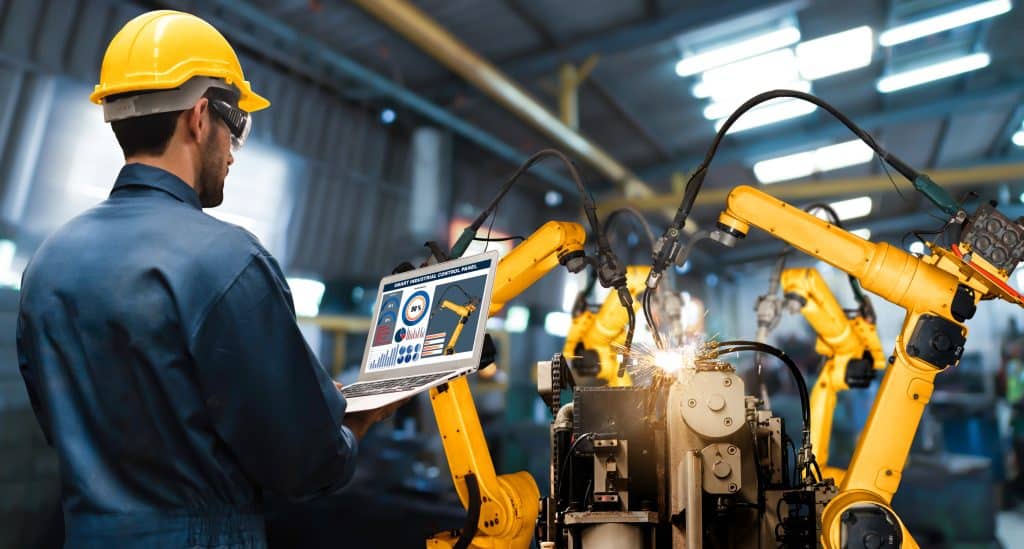
Every motor, transformer, and control circuit is designed to run within a specific voltage window. When voltage swings outside that range, even for a few seconds, insulation stresses, windings overheat, and sensitive electronics misfire. In industrial zones across India, especially in states with heavy agricultural or manufacturing loads, voltage fluctuations of 15% to 20% are common during peak hours. That’s precisely why choosing the right stabilizer isn’t a luxury decision; it’s a reliability decision that affects downtime, maintenance costs, and equipment lifespan.
How a Servo Voltage Stabilizer Actually Works
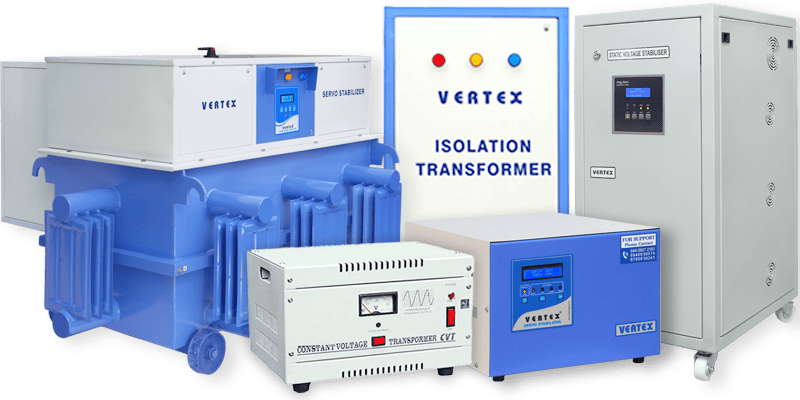
A servo voltage stabilizer uses a servo motor to physically rotate a variac (variable transformer) and adjust output voltage in real time. It continuously monitors incoming supply and corrects deviations with high precision, typically maintaining output within ±1% accuracy. This mechanical correction method makes servo stabilizers ideal for heavy industrial loads, CNC machines, plastic injection molding units, textile machinery, and hospital equipment where even minor voltage errors can damage sensitive components.
Because the correction happens through a buck-boost transformer combined with servo-motor-driven variac control, these units handle wide input fluctuations, often from 160V to 280V, without breaking a sweat. The trade-off is correction speed. Servo stabilizers typically take a few seconds to stabilize voltage after a sudden fluctuation, which is negligible for most industrial applications but worth noting for extremely voltage-sensitive electronics.
Static Stabilizers: Speed Without Moving Parts
Static stabilizers, on the other hand, use electronic components like IGBTs or relays to switch between transformer taps almost instantaneously. There are no moving mechanical parts, which means correction happens in milliseconds rather than seconds. This makes static stabilizers a strong choice for applications where voltage correction needs to be near-instant, such as data centers, laboratory instruments, and certain medical diagnostic devices.
However, static stabilizers generally offer a narrower correction range and slightly lower accuracy compared to servo units, usually around ±2% to ±3%. They also tend to be less suited for very high-capacity industrial loads where sustained heavy current draw is common, since the switching components can generate more heat under continuous stress.
Servo Voltage Stabilizer vs Static Stabilizer: Which Is Better?
Servo Stabilizer vs Static Stabilizer: A Side-by-Side Comparison
| Parameter | Servo Voltage Stabilizer | Static Stabilizer |
| Correction Method | Mechanical (servo motor + variac) | Electronic (IGBT/relay switching) |
| Correction Speed | Few seconds | Milliseconds |
| Voltage Accuracy | ±1% (high precision) | ±2% to ±3% |
| Input Voltage Range | Wide (e.g., 160V–280V) | Narrower range |
| Ideal Load Type | Industrial, heavy motors, CNC machines | Sensitive electronics, low-load applications |
| Maintenance | Requires periodic servicing of moving parts | Low maintenance, no moving parts |
| Durability Under Heavy Load | Excellent | Moderate |
| Initial Cost | Slightly higher | Generally lower for smaller capacities |
Matching the Stabilizer to Your Actual Load
A textile factory running heavy looms and spinning frames has completely different voltage needs than a server room running precision cooling and networking equipment. For industries with high inrush current, frequent motor starts, or wide voltage swings, servo stabilizers consistently outperform static units because of their robustness and wider correction bandwidth. That’s why most large-scale industrial buyers work directly with an established servo stabilizer manufacturer rather than opting for generic static units that aren’t built for sustained heavy-duty performance.
On the flip side, if your setup involves smaller loads, relatively stable grid supply, and a need for near-instant correction think small offices, retail electronics, or lab equipment a static stabilizer might genuinely be the more practical and cost-efficient option.
What to Look for When Choosing a Servo Stabilizer Manufacturer
If your load profile points toward a servo stabilizer, the next decision is just as important: who you buy it from. Not every servo stabilizer manufacturer builds units to the same quality standard, and this is where a lot of buyers get burned by cheap alternatives that fail within a couple of years. A reliable servo stabilizer manufacturer should offer transparent technical specifications, ISI-marked components, proper thermal protection, and after-sales service support, not just a low upfront price.
It’s also worth checking whether the servo stabilizer manufacturer customizes units based on your specific load calculations rather than pushing a one-size-fits-all product. Industrial voltage requirements vary significantly by sector, and a manufacturer who takes the time to understand your load profile, motor starting current, power factor, and ambient temperature will deliver a unit that actually performs under real operating conditions, not just on a spec sheet. Ask for case studies, existing industrial installations, and warranty terms before finalizing your purchase, since these details reveal a lot about long-term reliability.
Cost Versus Long-Term Value: The Real Comparison
It’s tempting to compare servo and static stabilizers purely on upfront price, but that’s a shortsighted approach for industrial buyers. Servo stabilizers cost more initially, but they typically last 15 to 20 years with proper maintenance and protect equipment worth many times their own price. Static stabilizers cost less upfront but may need replacement sooner in high-load environments, and repeated equipment damage from imprecise correction can quietly add up in maintenance bills. When you calculate total cost of ownership rather than just purchase price, servo units frequently come out ahead for industrial and commercial use cases, while static units remain economical for smaller, low-stress applications.
Making the Final Call
There’s no universal winner between servo and static stabilizers; the right choice depends entirely on your load size, voltage fluctuation pattern, and how critical precision correction is to your operations. Heavy industrial setups with wide voltage swings almost always benefit from servo technology, while lighter, stable-supply environments can get away with static units at a lower cost. Whichever direction you lean, working with a knowledgeable servo stabilizer manufacturer or a trusted static stabilizer supplier ensures you’re not just buying a box, but investing in genuine equipment protection.
FAQ
- Which is more accurate: servo or static stabilizer? Servo stabilizers generally offer higher accuracy (±1%) compared to static stabilizers (±2–3%), making them better suited for sensitive industrial loads.
- Are static stabilizers cheaper than servo stabilizers? Yes, static stabilizers are typically more affordable upfront, especially for smaller capacity requirements, but servo units often provide better long-term value for heavy loads.
- Which stabilizer is better for factories and heavy machinery? Servo stabilizers are the preferred choice for factories due to their wide input voltage range and ability to handle heavy motor loads reliably.
- Do servo stabilizers require more maintenance than static ones? Yes, because servo stabilizers have moving mechanical parts, they need periodic servicing, unlike static stabilizers which have minimal moving components.
- How do I choose the right servo stabilizer manufacturer? Look for a servo stabilizer manufacturer offering customized load-based solutions, quality certifications, proven industrial installations, and strong after-sales support.
- Can static stabilizers handle industrial-grade equipment? Static stabilizers work well for smaller or moderately sensitive loads but generally aren’t recommended for heavy industrial machinery with high inrush current.
- What’s the typical lifespan of a servo voltage stabilizer? With proper maintenance, servo stabilizers can last 15 to 20 years, making them a durable long-term investment for industrial use.
- Is correction speed a major factor in choosing between the two? It depends on your application: static stabilizers correct faster (milliseconds), which matters for extremely sensitive electronics, while servo stabilizers prioritize accuracy for heavier loads.