


Introduction
Selecting the right voltage stabilization solution is an important decision for any business that depends on consistent electrical power. From manufacturing plants and hospitals to commercial buildings and IT facilities, stable voltage is essential for protecting expensive equipment and ensuring uninterrupted operations. However, one question often confuses buyers: Should you purchase from servo voltage stabilizer suppliers or directly from a servo stabilizer manufacturer?
Although both play an important role in the power solutions industry, they serve different purposes. Understanding how manufacturers and suppliers differ can help you make a smarter investment, avoid unnecessary costs, and ensure long-term reliability. This guide explains the key differences, advantages, and factors to consider before making your purchase.
Understanding the Role of a Servo Stabilizer Manufacturer
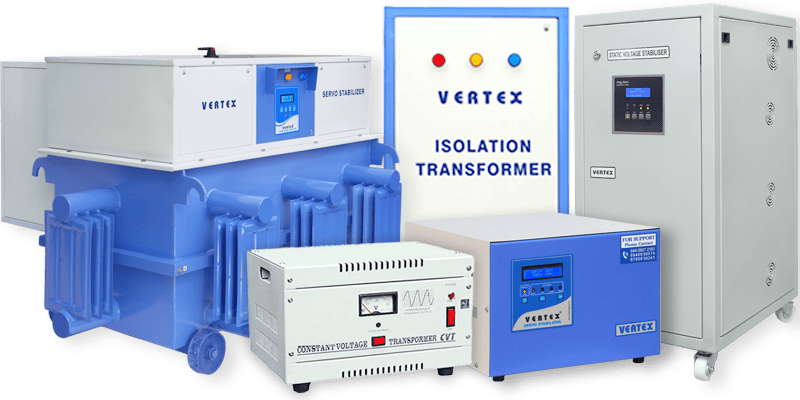
A servo stabilizer manufacturer is the company responsible for designing, engineering, testing, and producing voltage stabilizers. Manufacturers control the complete production process, from sourcing raw materials and selecting electrical components to assembling, testing, and delivering finished products.
Because manufacturers oversee product quality from start to finish, they can often provide customized solutions for different industries. Whether a business requires a stabilizer for heavy machinery, medical equipment, data centers, or automation systems, an experienced servo stabilizer manufacturer can design equipment that meets exact technical requirements.
Another advantage of working directly with a manufacturer is access to expert technical support. Their engineering teams understand the product inside and out, making installation guidance, troubleshooting, and maintenance much more efficient.
What Do Servo Voltage Stabilizer Suppliers Do?
Unlike manufacturers, servo voltage stabilizer suppliers primarily distribute and sell stabilizers produced by one or more manufacturing companies. Suppliers usually maintain inventories of different models and capacities, making them a convenient option for customers who need immediate product availability.
Many suppliers also provide installation assistance, logistics support, and local service coordination. Businesses with standard voltage stabilization requirements may find suppliers suitable, especially when purchasing commonly used stabilizer capacities.
However, since suppliers generally do not manufacture the products themselves, they may have limited control over design modifications, customization, and production timelines.
Servo Voltage Stabilizer Suppliers vs Manufacturers: Which One Should You Choose?
Major Differences Between Manufacturers and Suppliers
Although manufacturers and suppliers both deliver stabilizers to customers, their responsibilities differ significantly.
| Feature | Servo Stabilizer Manufacturer | Servo Voltage Stabilizer Suppliers |
| Primary Role | Designs and manufactures stabilizers | Distributes and sells stabilizers |
| Product Customization | Extensive customization available | Limited customization |
| Engineering Expertise | Direct technical knowledge | Depends on manufacturer support |
| Product Development | Complete control | No manufacturing control |
| Quality Testing | Conducted in-house | Relies on manufacturer testing |
| Pricing | Often more competitive for bulk orders | May include distributor margins |
| Technical Consultation | Detailed engineering guidance | Basic product assistance |
| Spare Parts Availability | Direct access | Depends on inventory |
Understanding these differences helps businesses choose the right purchasing channel based on their operational requirements.
When Buying Directly from a Manufacturer Makes Sense
There are several situations where purchasing directly from a servo stabilizer manufacturer provides greater value.
Large industrial projects often require customized voltage correction ranges, specific enclosure designs, advanced protection systems, or unique electrical configurations. Manufacturers can tailor products according to these requirements because they control the engineering and production process.
Businesses planning long-term expansion also benefit from direct manufacturer support. Future upgrades, spare parts, and technical documentation are generally easier to obtain from the original manufacturer.
Manufacturers also tend to provide comprehensive factory testing reports, certifications, and performance validation before dispatching equipment. This additional level of quality assurance is especially important for mission-critical industries.
Situations Where Suppliers Can Be a Better Choice
Despite the advantages of manufacturers, servo voltage stabilizer suppliers also offer valuable benefits in many situations.
Businesses requiring immediate delivery often prefer suppliers because they maintain ready stock of popular stabilizer models. Local suppliers may also provide faster installation scheduling and quicker on-site service for routine maintenance.
For standard commercial applications that do not require customized specifications, purchasing through a trusted supplier can simplify procurement and reduce delivery times.
The key is ensuring that the supplier represents reputable manufacturers and offers genuine products with proper warranties.
Understanding the Difference Between Servo Stabilizers and Static Stabilizers
During the buying process, many customers also compare servo stabilizers with static stabilizer systems. Although both regulate voltage, they operate using different technologies.
A servo stabilizer uses an electromechanical servo motor to continuously adjust voltage, making it suitable for handling wide voltage fluctuations in industrial environments.
A static stabilizer, on the other hand, uses solid-state electronic components instead of moving mechanical parts. This enables extremely fast voltage correction, making it ideal for applications where even minor voltage variations cannot be tolerated.
The choice between the two depends on your application, load characteristics, and required response time.
Servo Voltage Stabilizer Suppliers vs Manufacturers: Which One Should You Choose?
Difference Between Servo Stabilizer and Static Stabilizer
Feature | Servo Stabilizer | Static Stabilizer |
| Operating Technology | Servo motor-based | Solid-state electronics |
| Response Speed | Fast | Extremely fast |
| Moving Components | Yes | No |
| Maintenance | Moderate | Lower |
| Suitable Applications | Heavy industrial loads | Sensitive electronic equipment |
| Voltage Correction | Excellent | Excellent |
| Reliability | High | Very High |
| Cost | Moderate | Usually higher |
Both technologies provide effective voltage regulation, but selecting the appropriate solution depends on operational requirements rather than price alone.
Important Factors to Evaluate Before Choosing
Choosing between a servo stabilizer manufacturer and servo voltage stabilizer suppliers should involve more than comparing prices.
Evaluate product quality, manufacturing standards, warranty coverage, service availability, certifications, and technical expertise. Companies with proven industry experience generally deliver more reliable products and better customer support throughout the equipment lifecycle.
Also consider whether your project requires customization. If your electrical system has unique voltage conditions or specialized industrial equipment, working directly with a manufacturer often results in a better solution.
For businesses purchasing standard stabilizers with common specifications, an authorized supplier may offer sufficient support while reducing delivery time.
Questions Every Buyer Should Ask
Before finalizing your purchase, ask the following questions:
- Is the product manufactured using high-quality electrical components?
- Does the company provide factory testing certificates?
- Are installation and commissioning services included?
- How quickly are spare parts available?
- What warranty is provided?
- Is local technical support available?
- Can the system be customized if requirements change?
These questions help ensure you invest in equipment that delivers long-term reliability instead of short-term savings.
Why After-Sales Support Matters
A voltage stabilizer is a long-term investment rather than a one-time purchase. Even the highest-quality equipment benefits from routine inspections, preventive maintenance, and occasional servicing.
An experienced servo stabilizer manufacturer generally provides detailed technical documentation, trained service engineers, and original spare parts throughout the product’s lifecycle.
Similarly, professional servo voltage stabilizer suppliers with strong manufacturer partnerships can coordinate maintenance efficiently and minimize downtime.
Businesses should evaluate after-sales support as carefully as product specifications.
Making the Right Decision for Your Business
There is no universal answer to whether manufacturers or suppliers are the better choice. The right decision depends on your project size, technical requirements, budget, and expected level of support.
If your application demands customized engineering, specialized voltage correction, or long-term industrial reliability, purchasing directly from an experienced servo stabilizer manufacturer is often the most beneficial option.
If you require a standard stabilizer quickly and prefer local service availability, reliable servo voltage stabilizer suppliers can be an excellent choice, provided they work with trusted manufacturers.
Businesses with highly sensitive electronic systems should also evaluate whether a static stabilizer better matches their operational requirements.
Conclusion
Choosing the right voltage stabilization partner is just as important as selecting the right equipment. While servo stabilizer manufacturer companies offer complete engineering expertise, customization, and direct technical support, servo voltage stabilizer suppliers provide convenience, local availability, and faster procurement for standard applications.
Understanding your operational needs, future expansion plans, and service expectations will help determine which option delivers the greatest long-term value. Whether you purchase directly from a manufacturer or through an authorized supplier, always prioritize product quality, technical support, warranty coverage, and proven industry experience. A well-informed purchasing decision ensures reliable power protection, lower maintenance costs, and uninterrupted business operations for years to come.
FAQ
1. What is the difference between a servo stabilizer manufacturer and servo voltage stabilizer suppliers?
A servo stabilizer manufacturer designs and builds stabilizers, while servo voltage stabilizer suppliers distribute and sell products produced by manufacturers.
2. Which option offers better customization?
A servo stabilizer manufacturer usually provides greater flexibility for customized voltage ranges, capacities, and industrial applications.
3. Are servo voltage stabilizer suppliers reliable?
Yes. Authorized servo voltage stabilizer suppliers can provide genuine products, installation support, and warranty services when partnered with reputable manufacturers.
4. What is a static stabilizer?
A static stabilizer is an electronic voltage stabilizer that uses solid-state technology for rapid voltage correction without mechanical moving parts.
5. Which stabilizer is better for heavy industrial machinery?
Servo stabilizers are generally preferred for heavy industrial loads because they efficiently manage wide voltage fluctuations and large electrical equipment.
6. Why is after-sales service important?
Reliable after-sales service ensures timely maintenance, genuine spare parts, technical assistance, and longer equipment life.
7. How can I identify a trustworthy manufacturer or supplier?
Look for industry experience, quality certifications, customer reviews, warranty support, technical expertise, and proven installation history.
8. Should I compare price alone before buying?
No. Product quality, engineering capability, service support, efficiency, warranty, and long-term reliability should be considered alongside pricing.